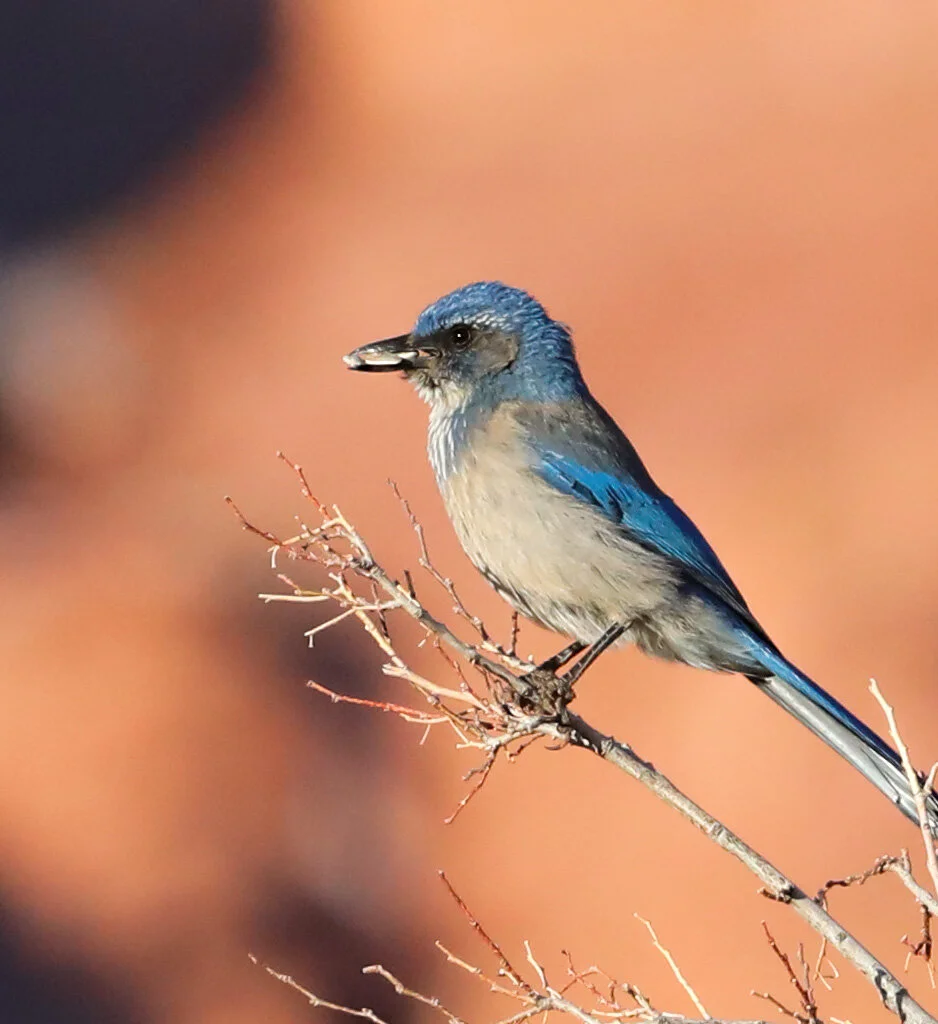
A party of Pinyon Jays...

invaded the feeding stations this morning.

Juvenile Pinyon Jay (Gymnorhinus cyanocephalus) relaxing in the rabbitbrush.

Juvenile Pinyon Jay (Gymnorhinus cyanocephalus) relaxing in the rabbitbrush.

These two jays, working with dozens of others, shoveled nearly the entire contents of this feeder onto the ground in about 20 minutes time.

These two jays, working with dozens of others, shoveled nearly the entire contents of this feeder onto the ground in about 20 minutes time.

pinyon-jay-under-feeder.jpg

A junior member...

of the local Sharp-Shinned Hawk family visits this morning. Again, lousy conditions for photography but this was the first opportunity to catch this little one, all fluffed up and waiting for a meal.

Ten days to landing on Mars...

in Jezero Crater for the NASA/JPL Perseverance rover, targeting this interesting deltaic landform shown below. Launched in July 2020 and now about to land, the geomorphologist in me is now getting very excited!

Oblique view of northwestern portion of Jezero Crater showing inflow feeder channel (upper left) and the topographically inverted delta complex (Link to full res image.)

Black landing ellipse is about 8 km long in the east-west direction.  (Link to full res image.)

Black landing ellipse is about 8 km long in the east-west direction. (Link to full res image.)

Geologic map of landing area in Jezero Crater from Williams et al., 2020 (Link to .pdf article.)

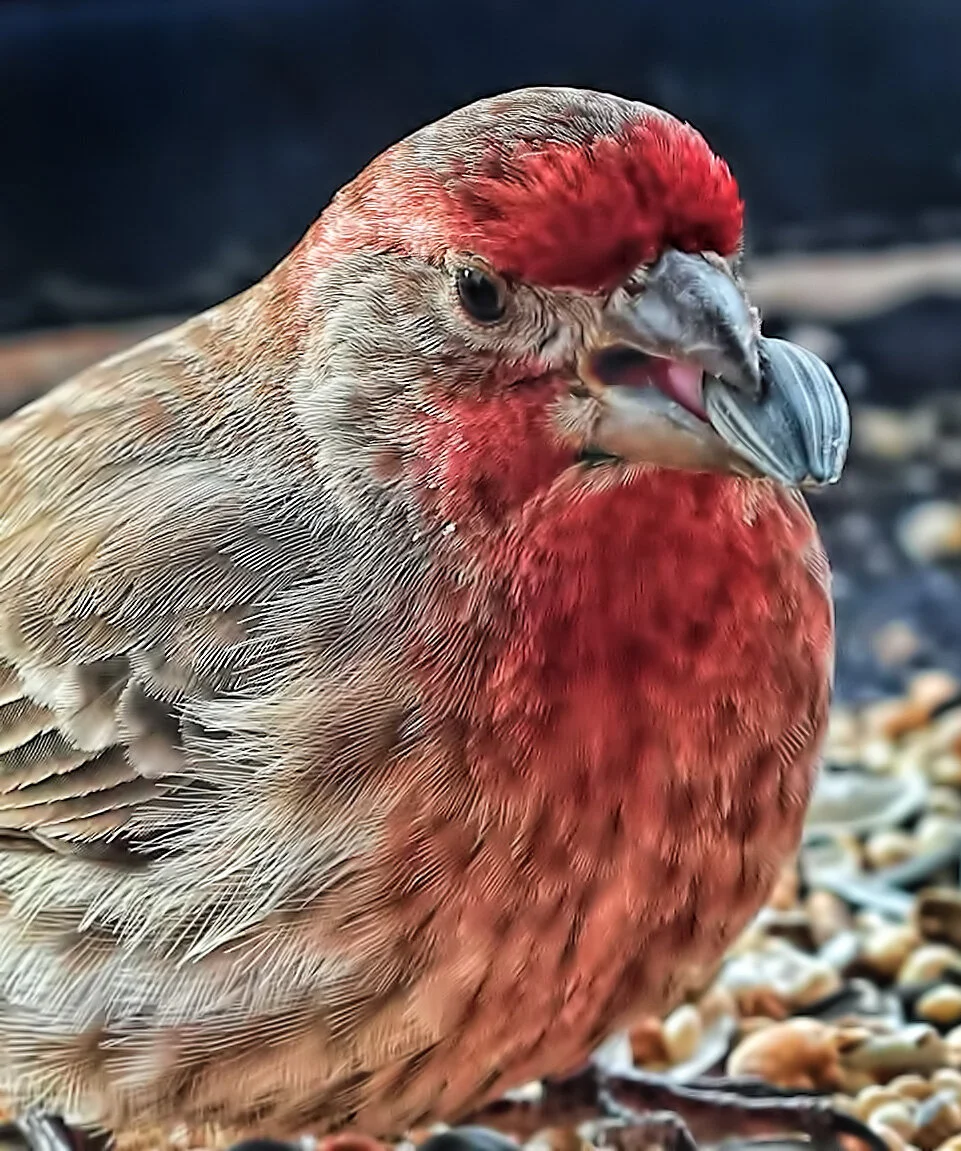
Animal eye detection and auto-focusing...

on the Canon EOS R6 is nothing short of revolutionary. While I’m not at all happy with any of the image compositions and exposures below, the focus is tack sharp on the eye, where it should be. In addition, these were all shot through a horribly dirty window and nearly directly into the sun. No fill flash was used as birds were illuminated by reflected sunlight.

UPDATE: I’ve cleaned my windows now. What a difference that will make!

The Canon EOS R6...

is the newest camera in the quiver, incorporating the latest in mirrorless technology, and mates (with an adapter) to my array of Canon EF lenses.

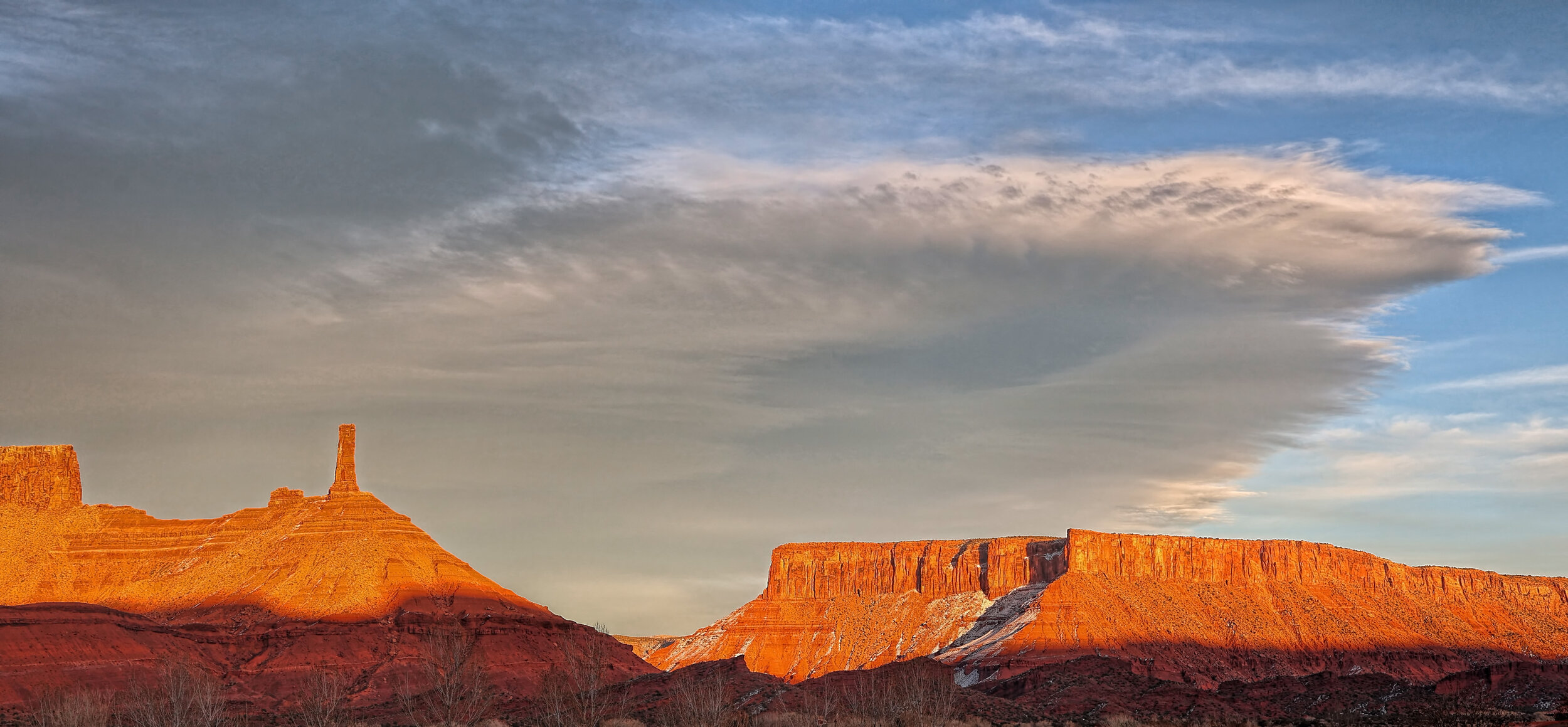
First light:  Skyline on fire, the approaching sunset this evening, shot with the R6.

First light: Skyline on fire, the approaching sunset this evening, shot with the R6.

The early mountain biker...

gets to lay down the first tracks, especially fun after a two-inch dusting of snow in Castle Valley last night.

snowy-gate-round-mountain.jpg
The four-inch tires on the RadRover 5 are perfectly suited to the highly variable surface conditions.

The four-inch tires on the RadRover 5 are perfectly suited to the highly variable surface conditions.

Sharp-Shinned Hawk...

perched in the ash tree next to the feeding station on a snowy day, patiently waiting for an opportunity to grab a meal. I shot this through the kitchen window after patiently waiting for the right opportunity myself.

Sharp-Shinned Hawk (Accipiter striatus), the smallest hawk in North America.

Sharp-Shinned Hawk (Accipiter striatus), the smallest hawk in North America.

What if...

Castleton Tower toppled? Perish the thought!

what-if-no-tower.jpg
Or, alternatively, another sandstone tower was present atop Baby Carriage Rock, as there almost certainly was in the distant past?

Or, alternatively, another sandstone tower was present atop Baby Carriage Rock, as there almost certainly was in the distant past?

Geometric artwork of hoarfrost...

is sustained in deeply-shaded areas where temperatures never rise above freezing, coupled with a right amount of moisture in the chilled air. The ice crystals comprising the surface hoar that is pictured below are much like icy corn flakes and about the same size.

hoarfrost.jpg
hoarfrost-close.jpg
hoarfrost-artful.jpg

Rockfall from Porcupine Rim...

in Castle Valley, Utah occurred around 1 am MST, and was so loud that it woke me up! I stoked the fire in the wood stove and went back to bed, finding the small scar and debris run-out only after sunrise. It’s the geology of now!

CV-rockfall-jan-2021.jpg
Closer view under different lighting conditions.

Closer view under different lighting conditions.

Debris shed during the small event was funneled into several steep ravines eroded into the mudstone slopes of the Chinle Formation.  The vertical Wingate escarpment is about 500 feet high to give a sense of scale.  No residential structures were imp…

Debris shed during the small event was funneled into several steep ravines eroded into the mudstone slopes of the Chinle Formation. The vertical Wingate escarpment is about 500 feet high to give a sense of scale. No residential structures were impacted.