with steadily increasing visits to the feeders.
Black-chinned Hummingbird (Archilochus alexandri).
with steadily increasing visits to the feeders.
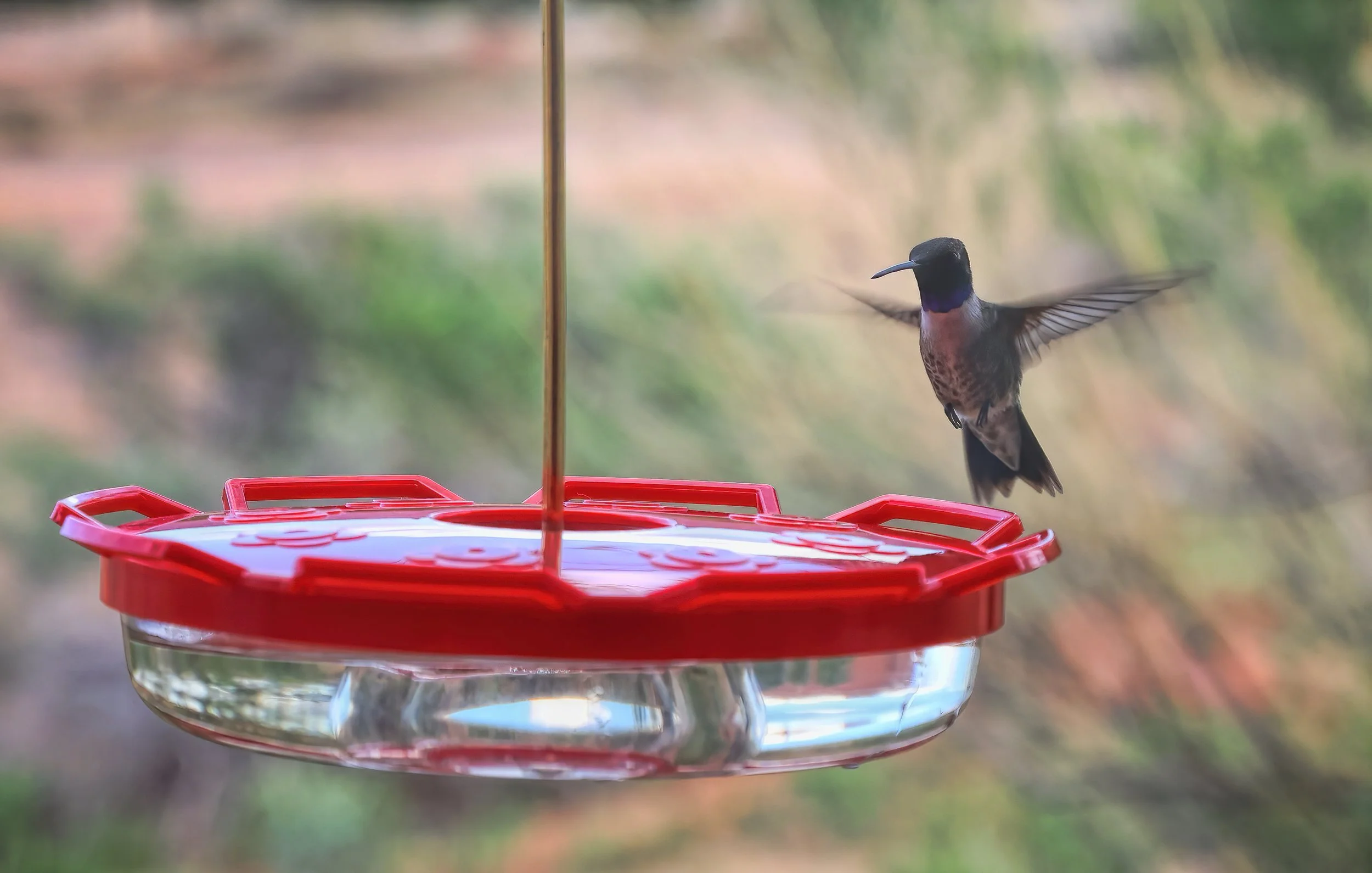
Black-chinned Hummingbird (Archilochus alexandri).
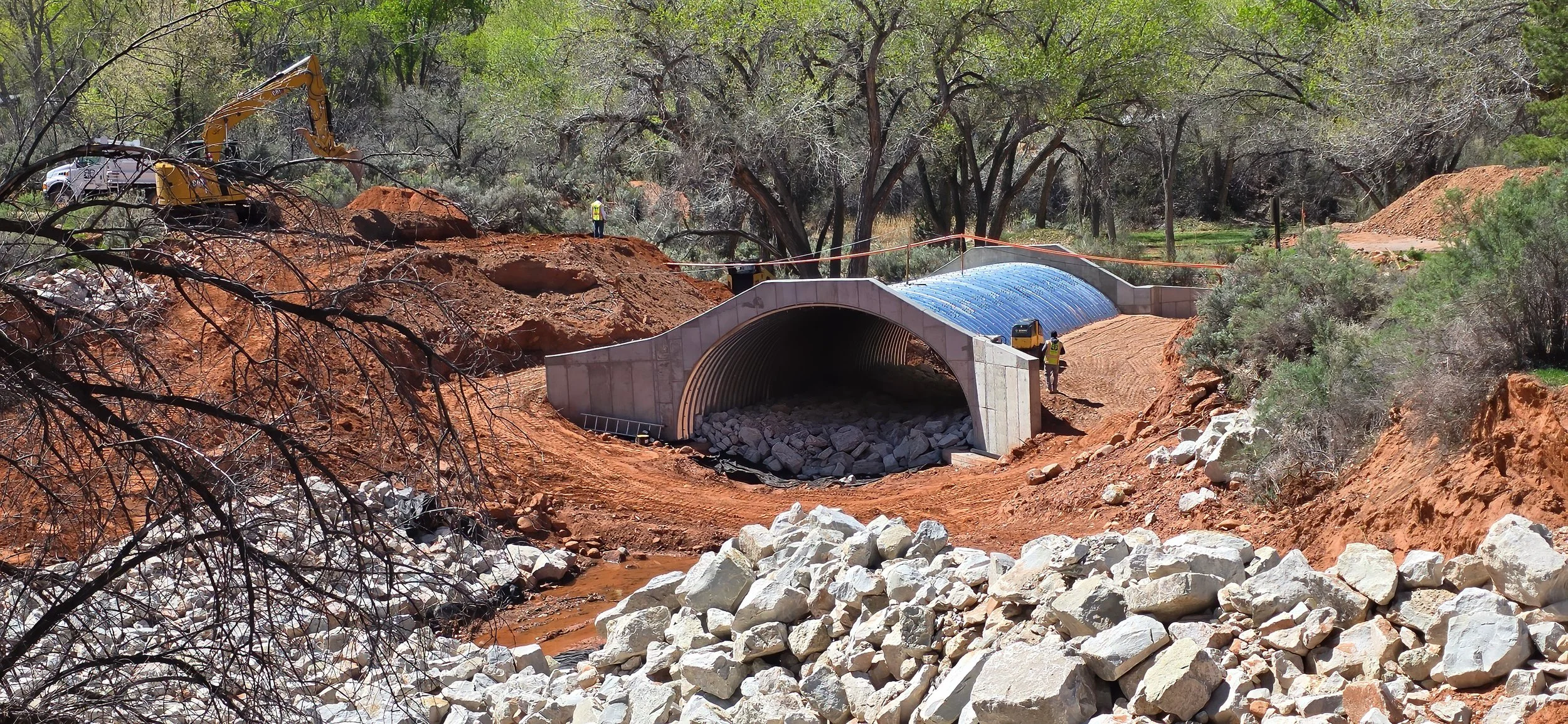
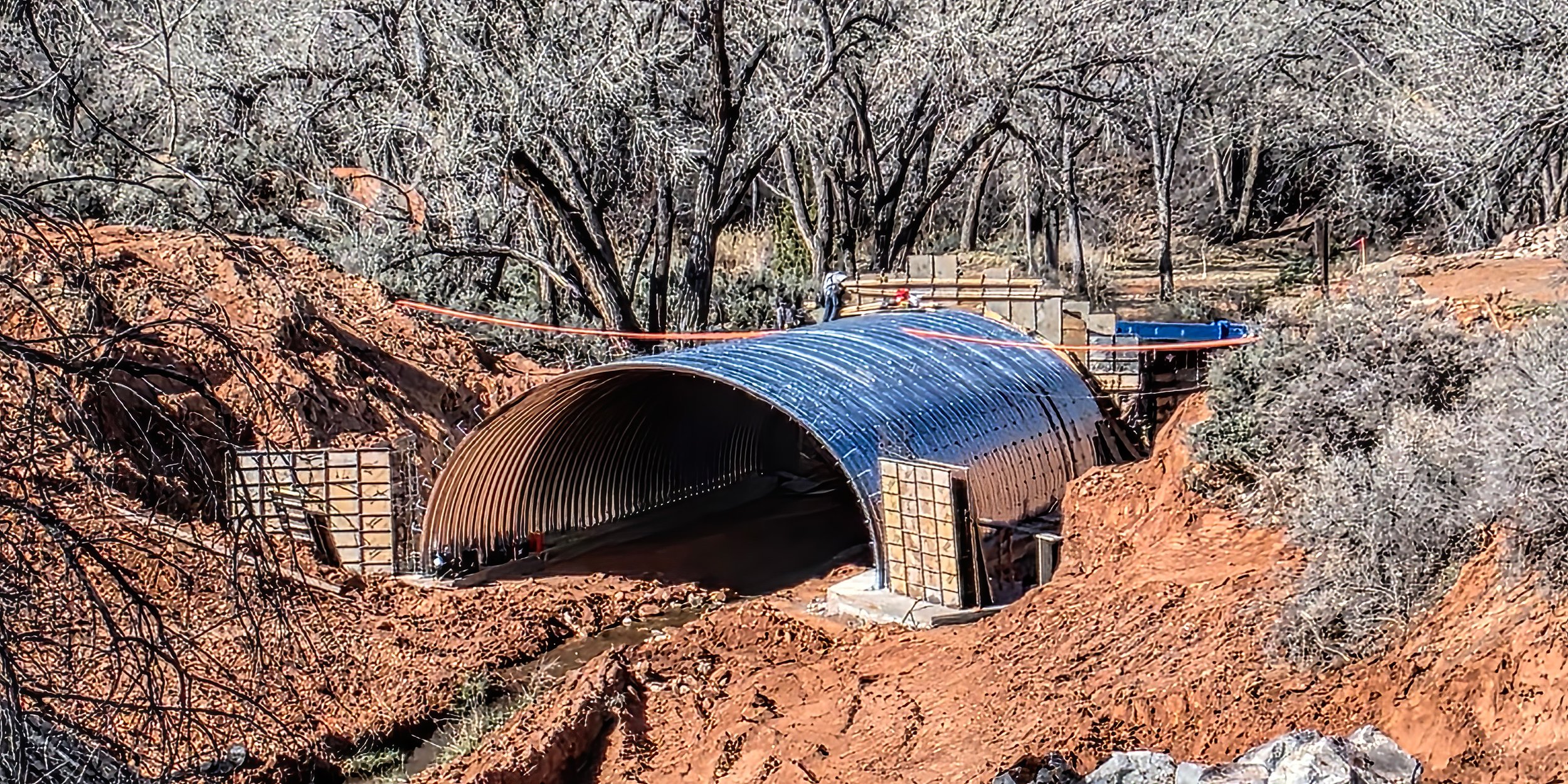
with the road grade reestablished atop the new arch culvert on Castle Creek. Road paving and placement of rip-rap still remain as tasks to be completed before the main entrance to our community reopens to traffic.
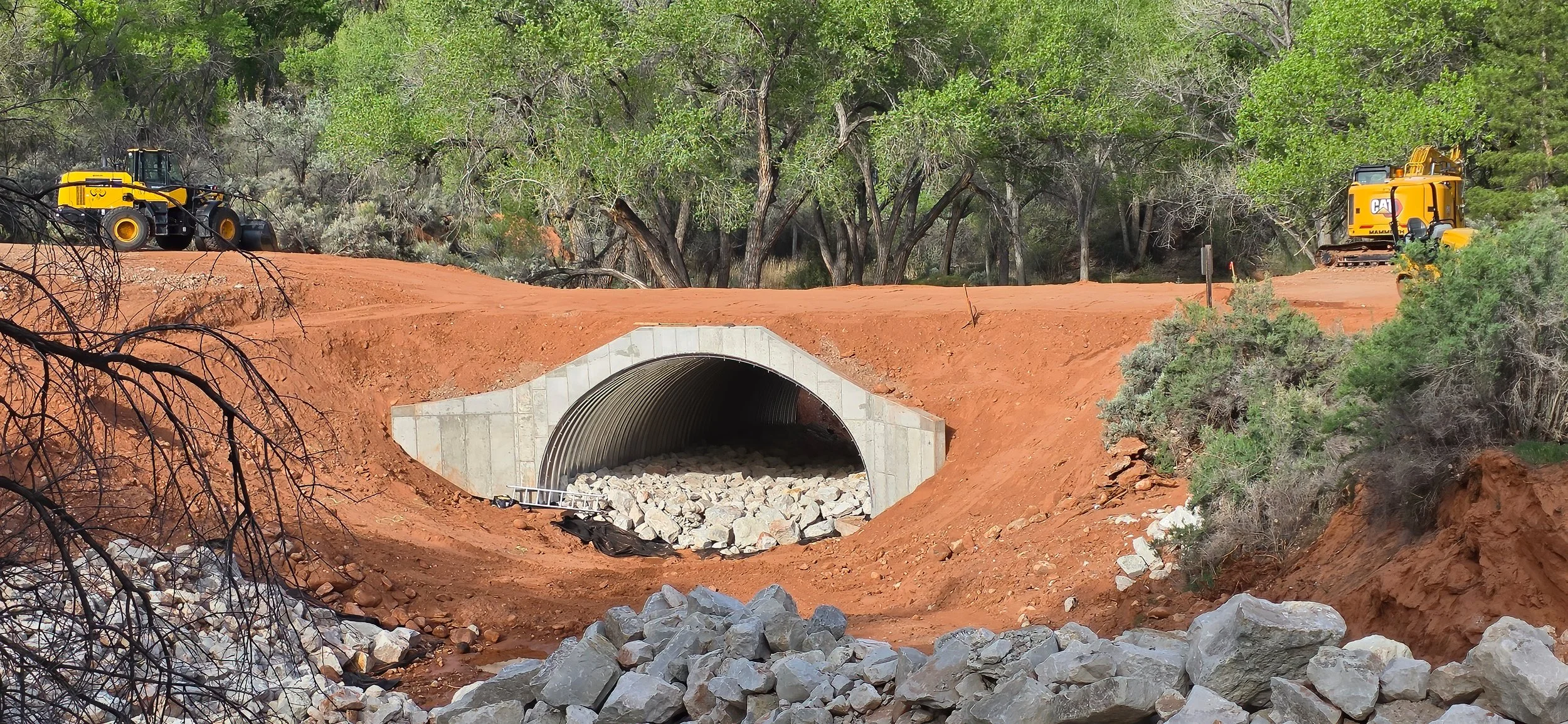
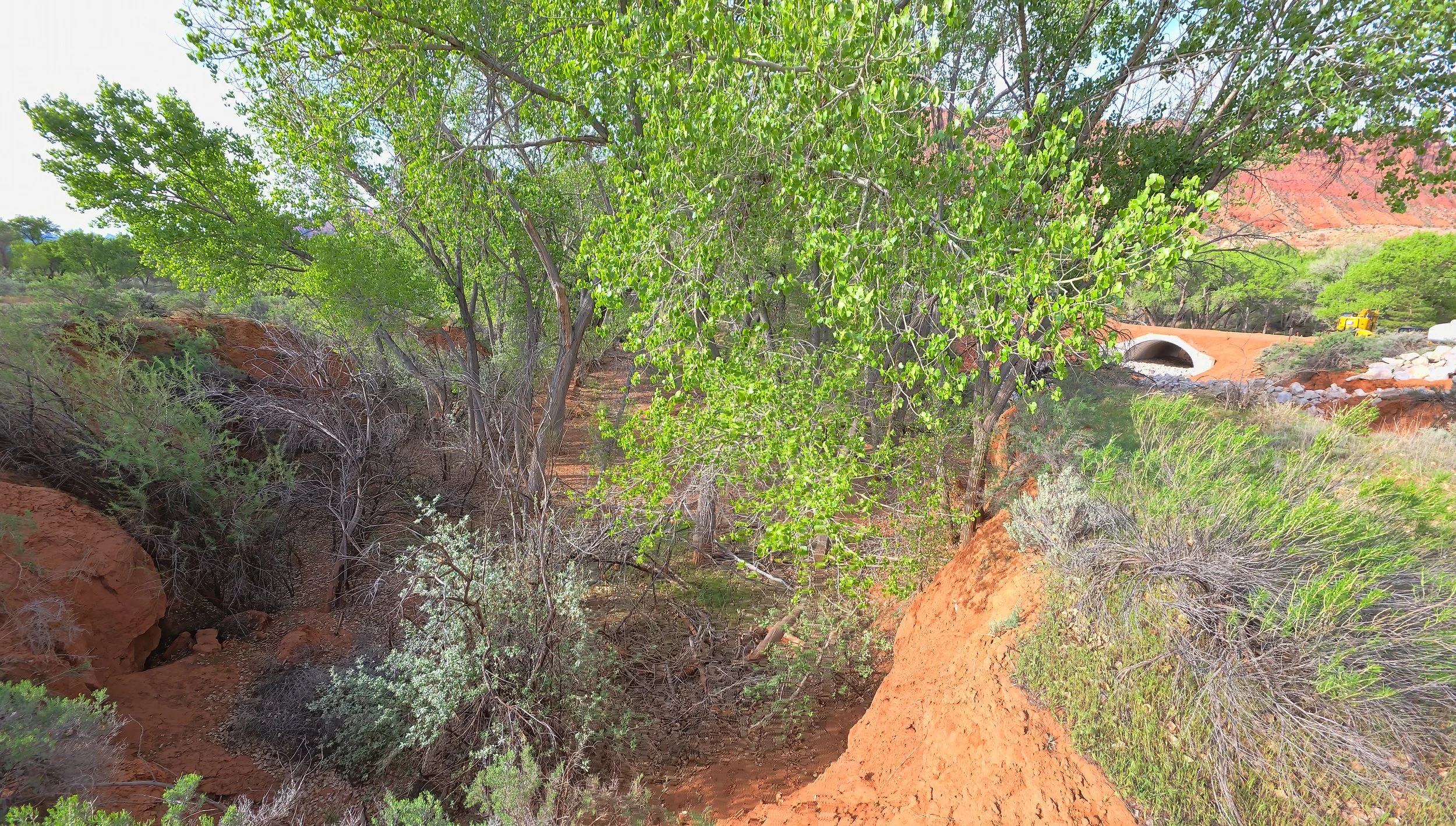
It will be interesting to observe the backwater effects of the new structure and the rough, bouldery channel created by use of oversized rip-rap during future flood events. Upstream pooling of water, slower, less efficient passage of flood flow, increased deposition of fine sediments in the channel and increased bank erosion upstream are likely going to occur.
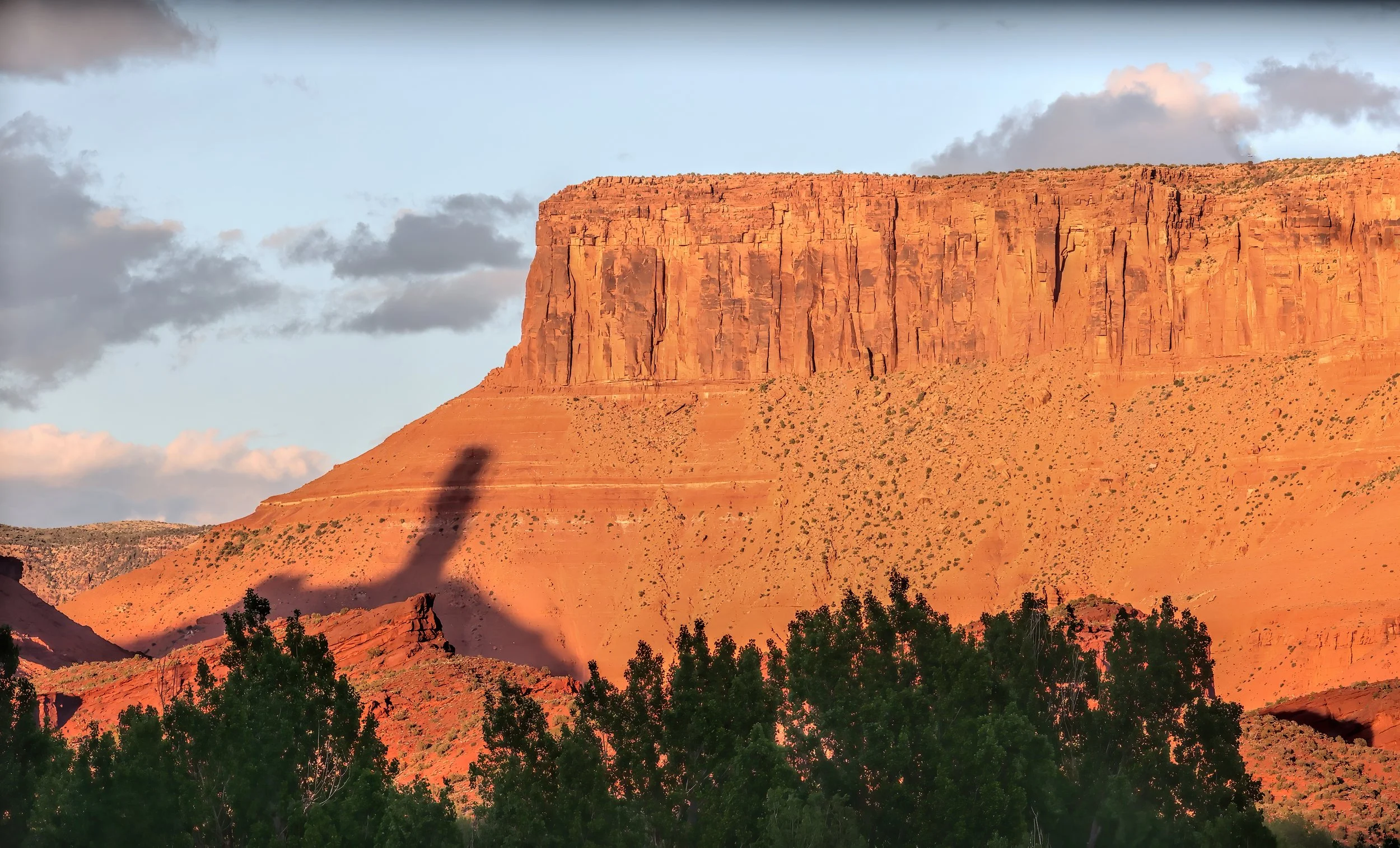
commences its seasonal rightward march across the face of Adobe Mesa at sunset, achieving its furthest rightmost position on the summer solstice in June.
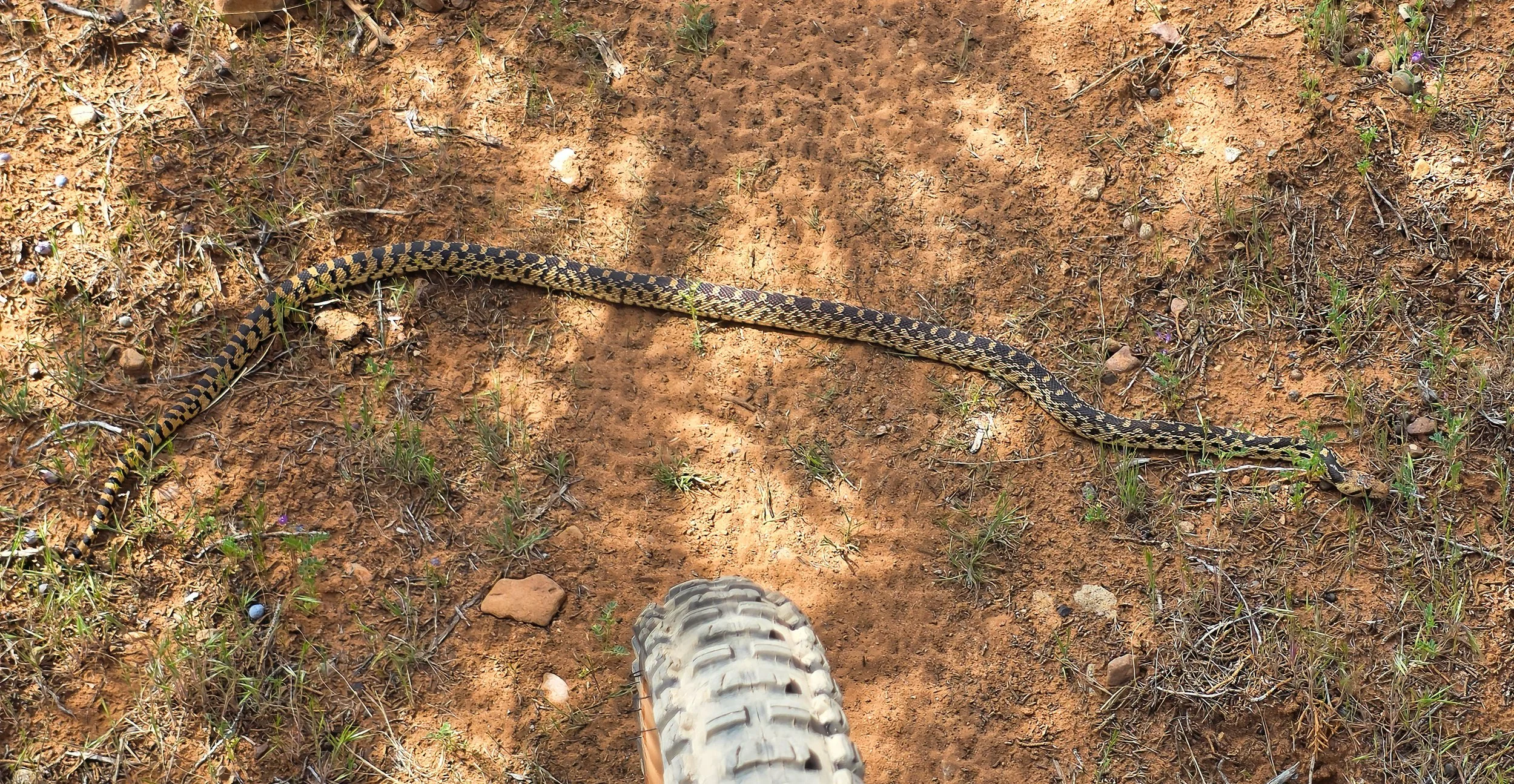
stretched out across the singletrack today, miles apart from one another. Admittedly it was a pretty lovely day to catch some rays.
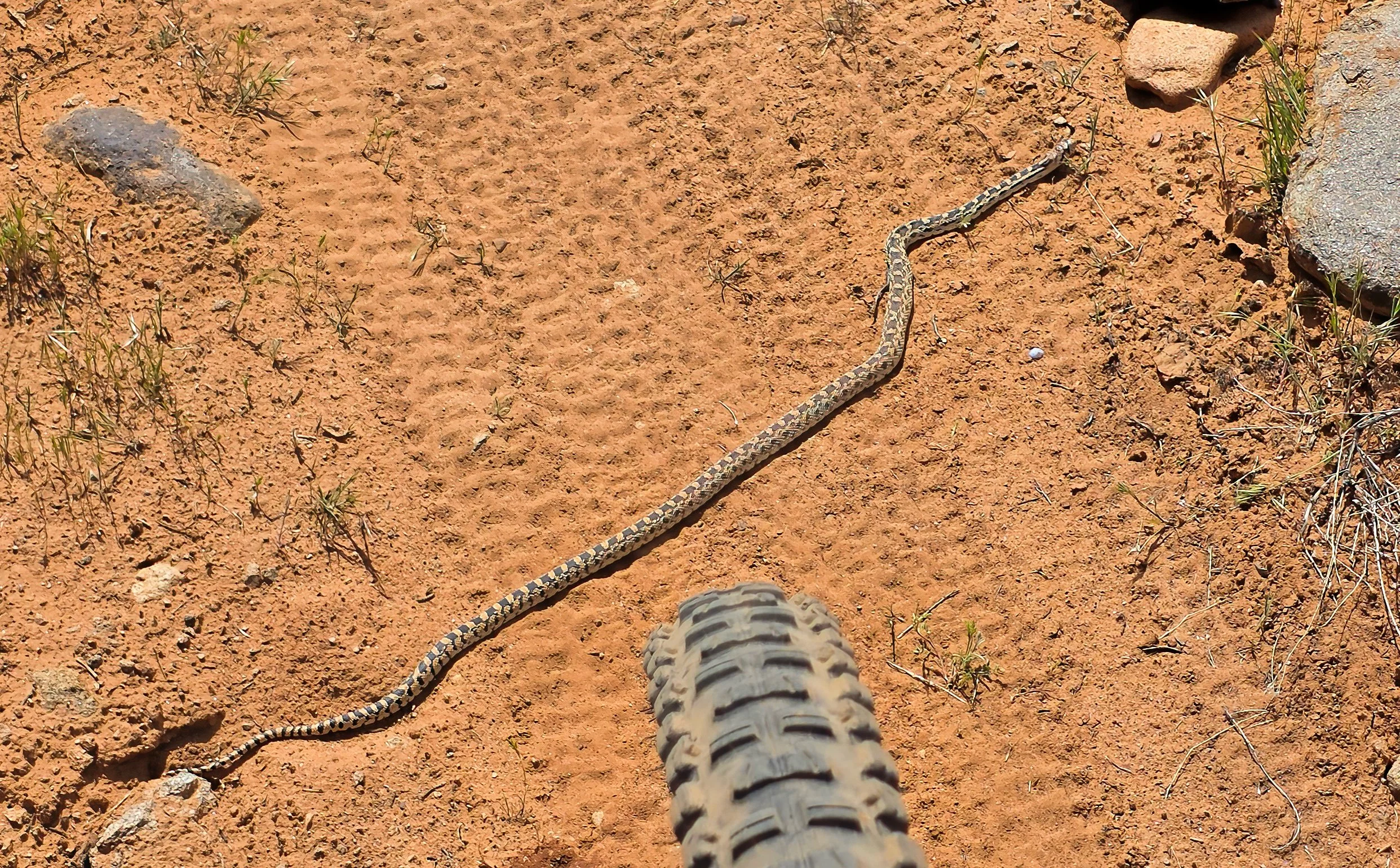
Bullsnake (Pituophis catenifer sayi).
are beginning to appear in the high desert.
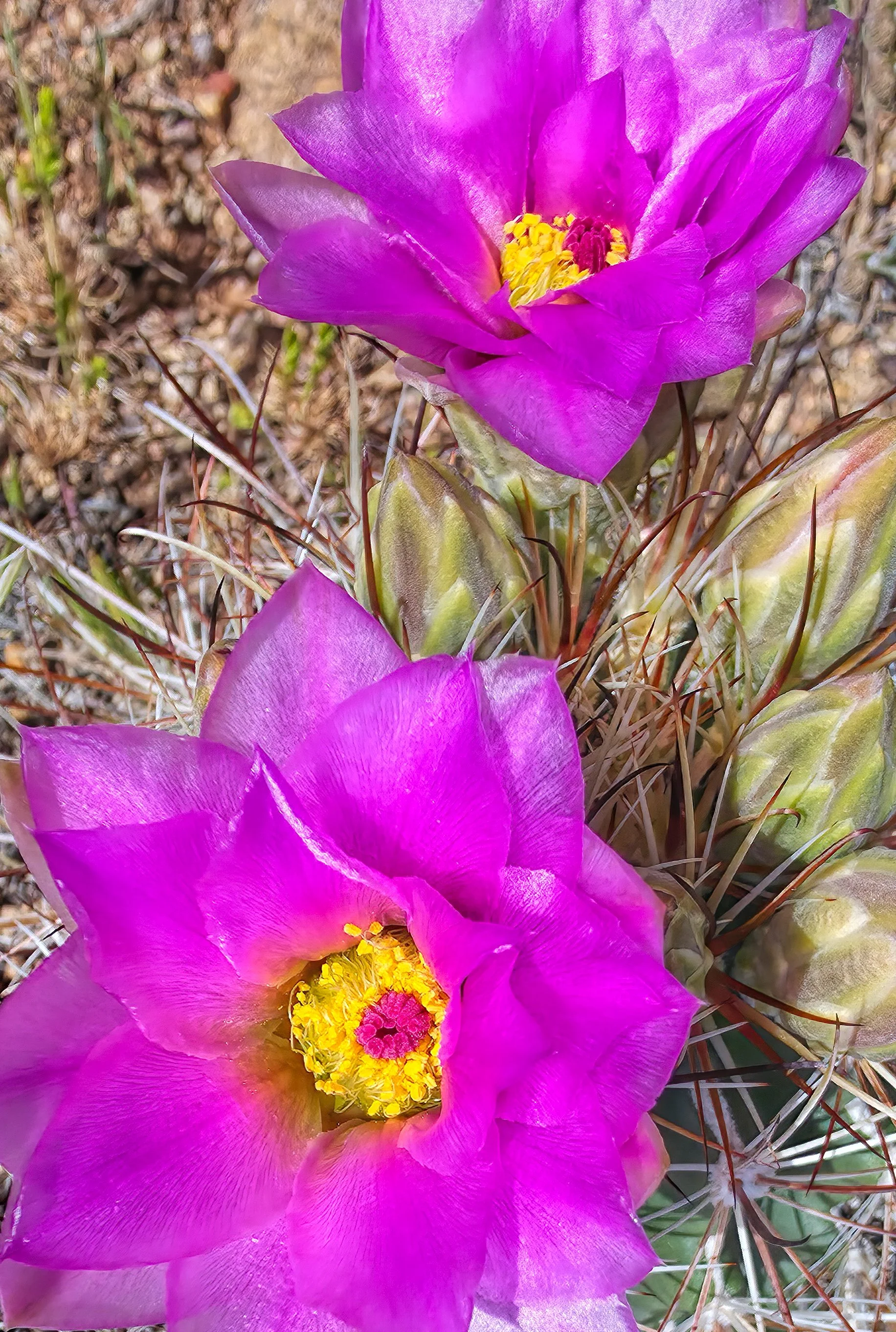
Whipple’s fishhook cactus (Sclerocactus whipplei).
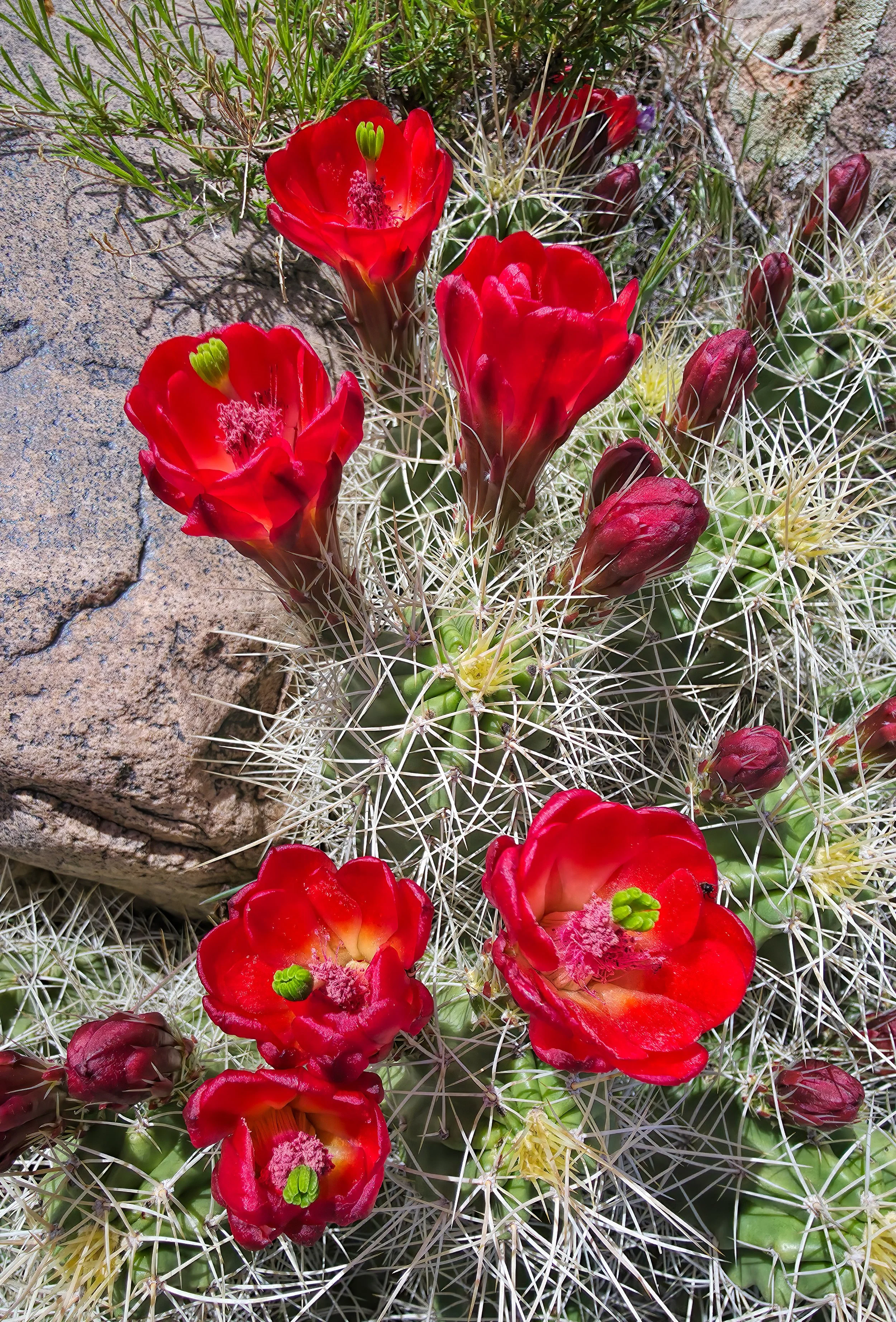
Claret cup cactus (Echinocereus triglochidiatus).
found crawling on the trunk of a cottonwood tree at Lions Park.
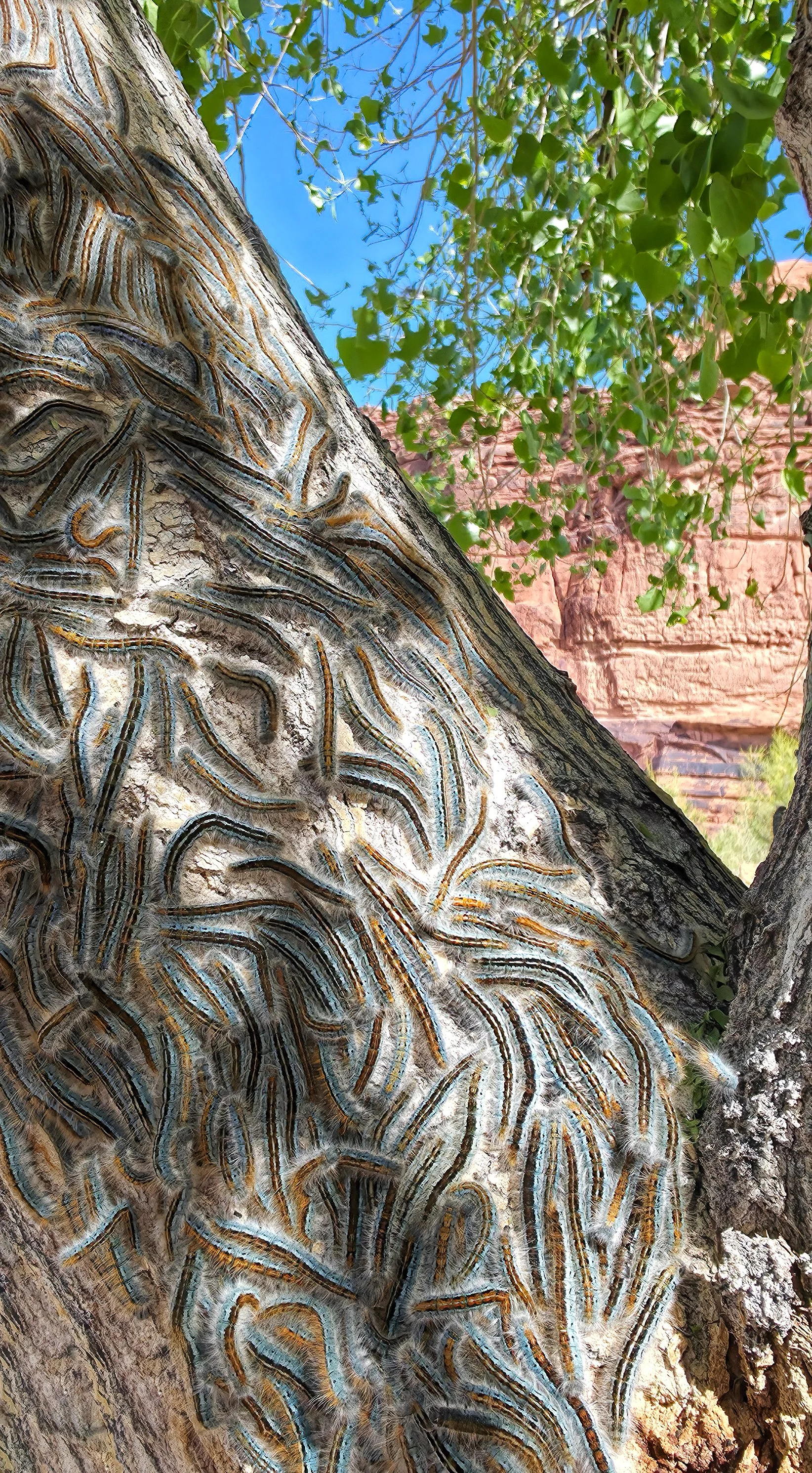
Western tent caterpillar (Malacosoma californicum).
for this greedy varmint to enter the trap, having set it only 15 minutes earlier. The lure of the peanut butter was too great for the first deportee of 2026.
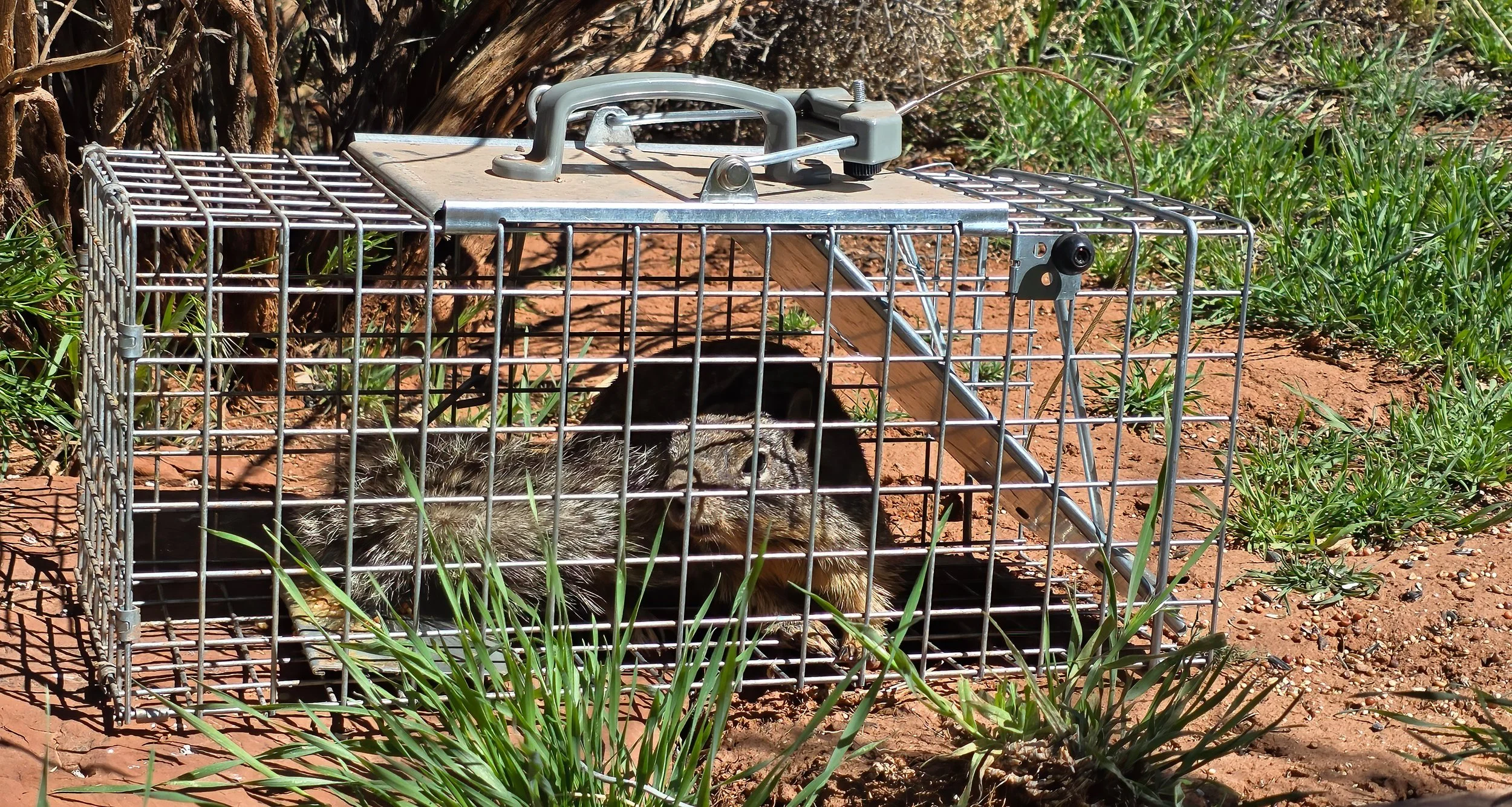
Rock squirrel (Otospermophilus variegatus).
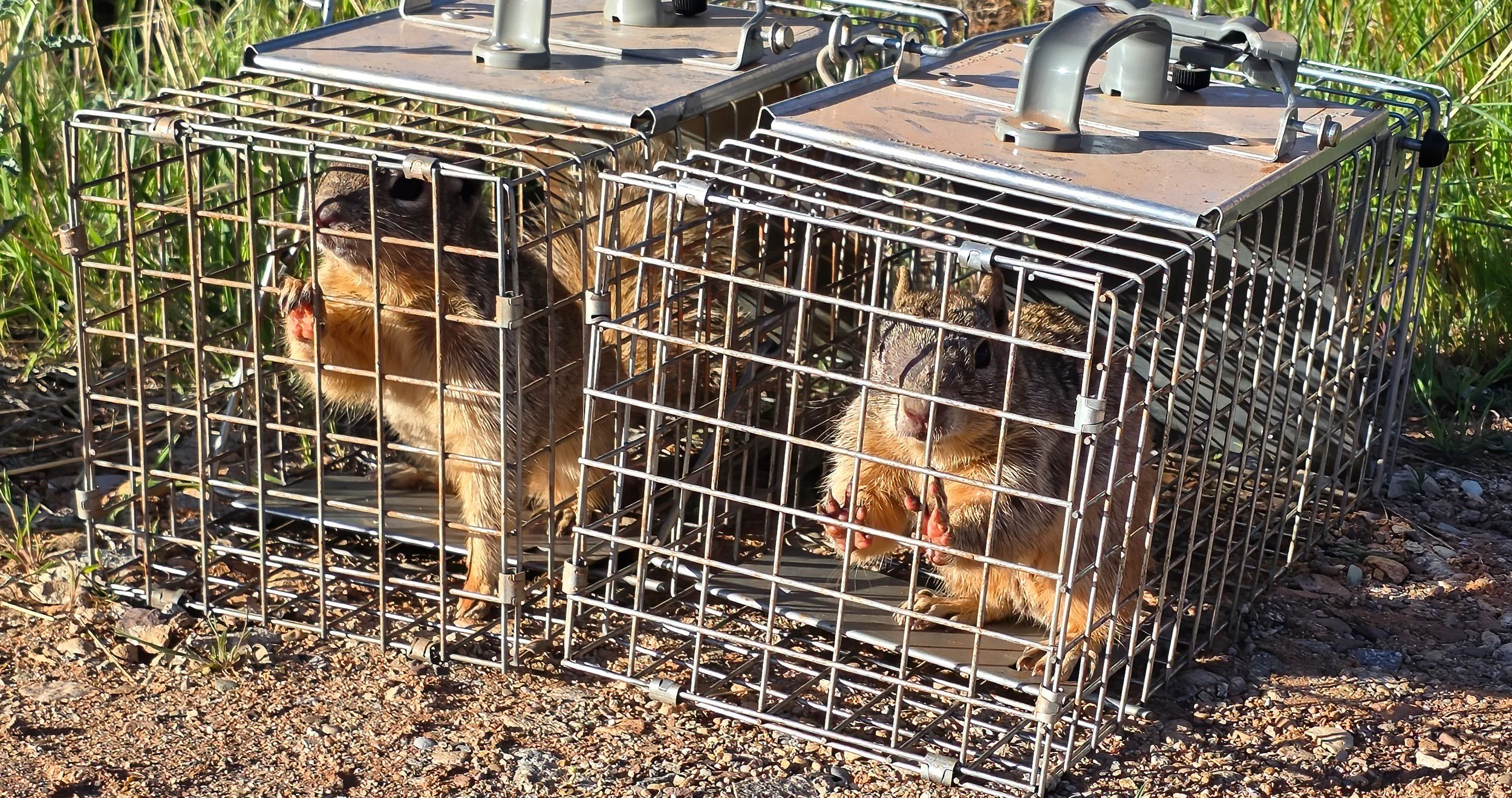
UPDATE the following day! Two more volunteers for deportation.
in the high desert, the result of a very dry winter and spring (so far).
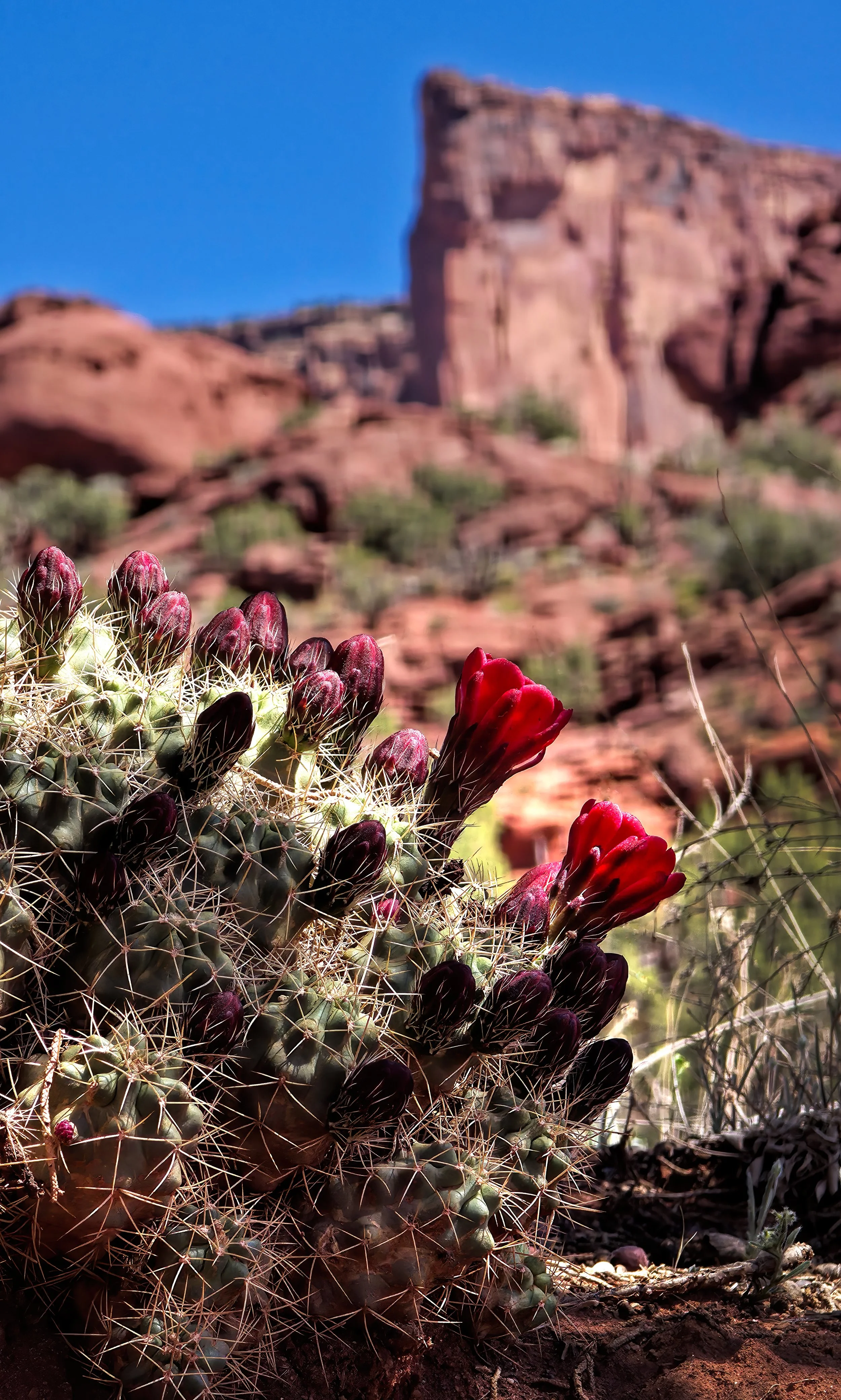
Claret cup cactus (Echinocereus triglochidiatus) below Adobe Mesa.
and over-engineered as well, the community is still patiently waiting for the new arch culvert over Castle Creek to be completed. The size of the rip-rap being used here is absolutely absurd for the size and energy and sediment load the stream possesses in this reach, even in flood.
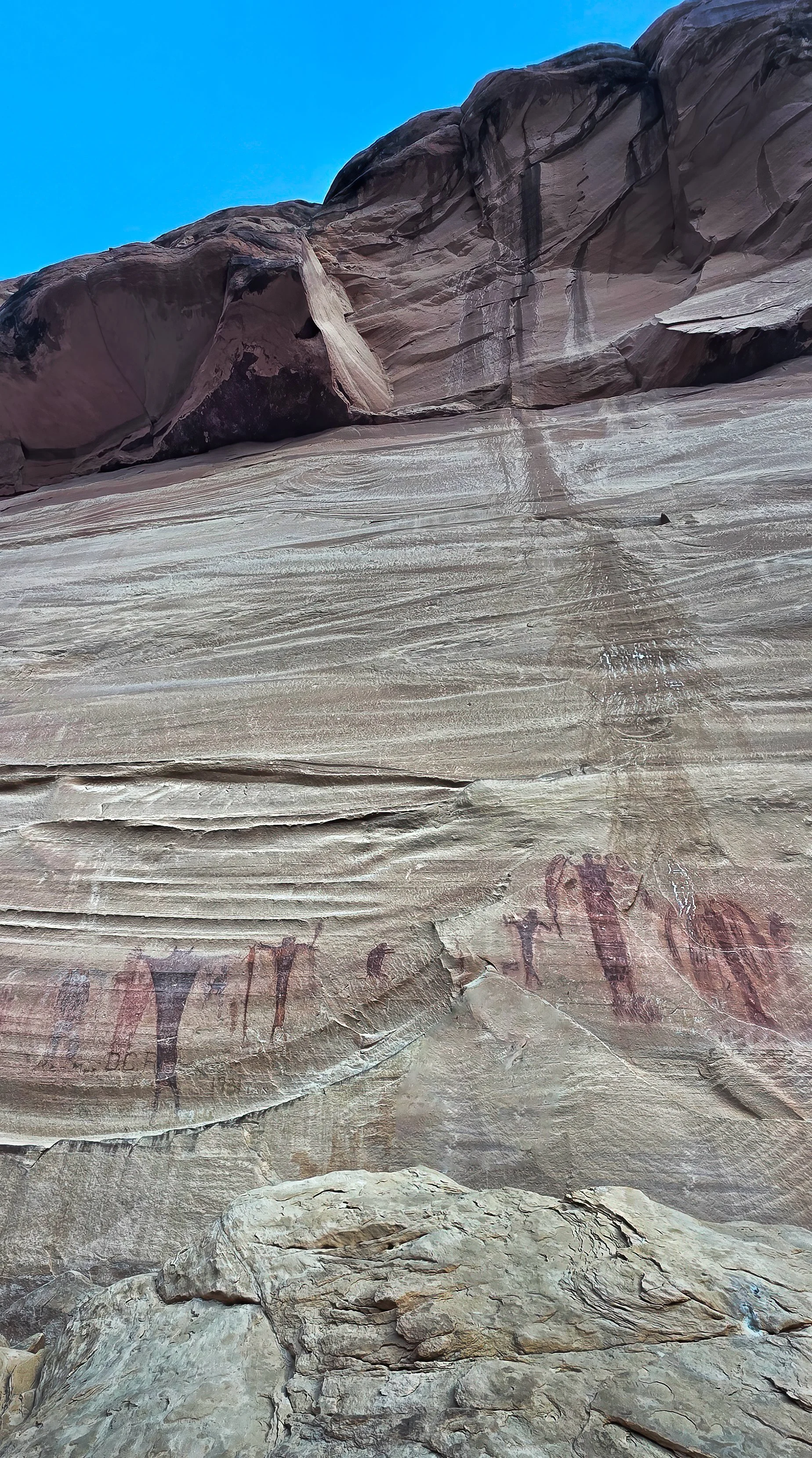
of light reveals hidden details not seen by the naked eye when observing rock art under the visible part of the spectrum. Here are three pairs of comparative images of several sections of the wonderful pictograph panel in Buckhorn Wash in the San Rafael Swell, a small portion of which is seen below.
The following pairs of images first show an unretouched raw image followed by an enhancement filter applied by DStretch software.
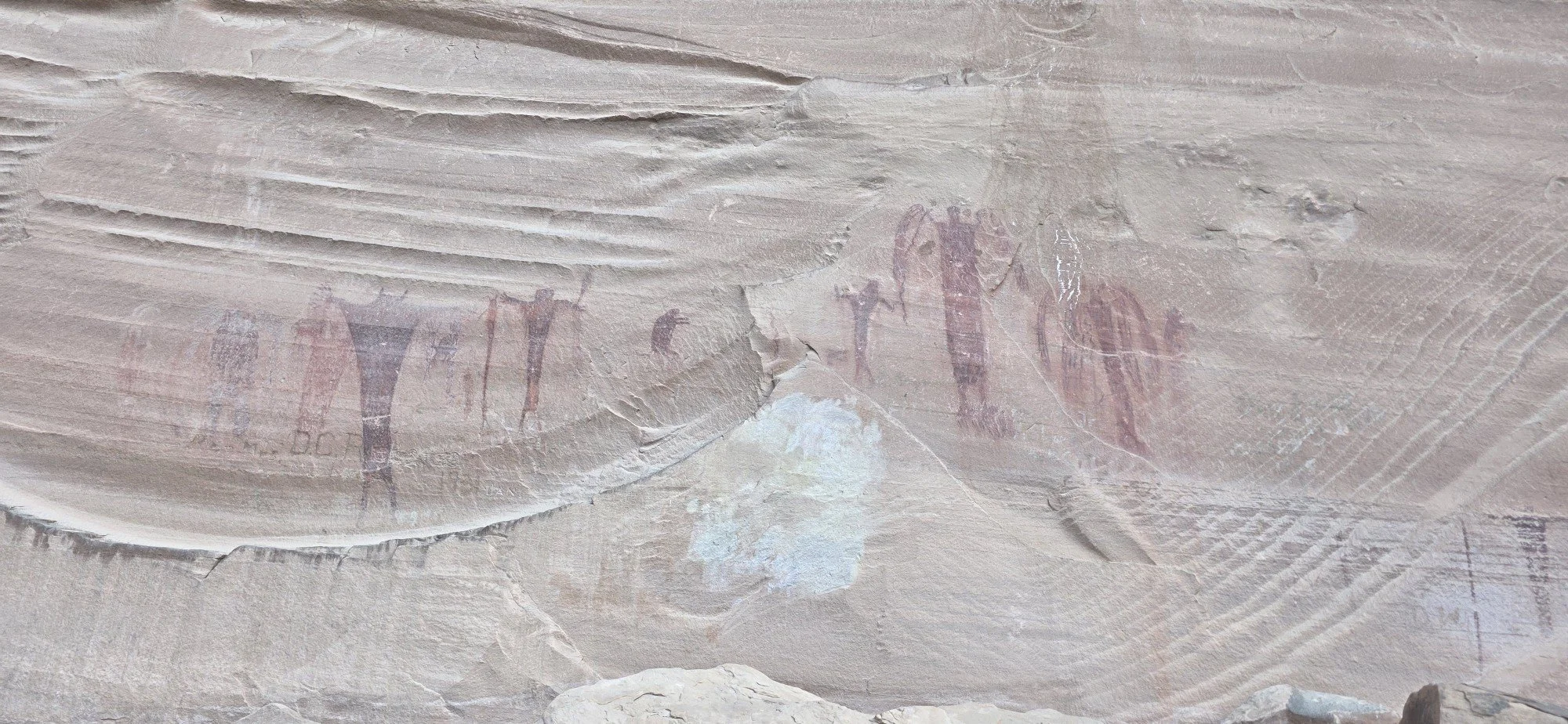
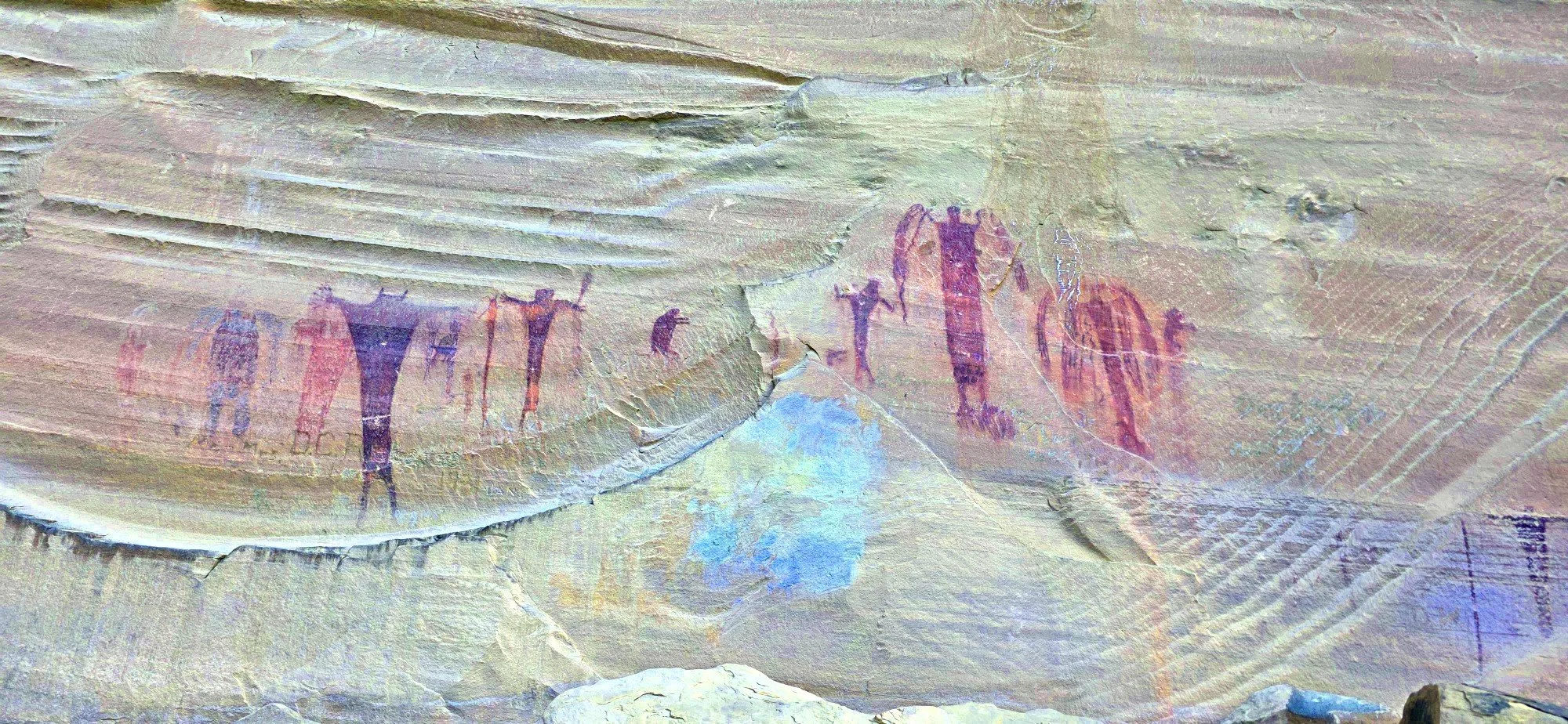
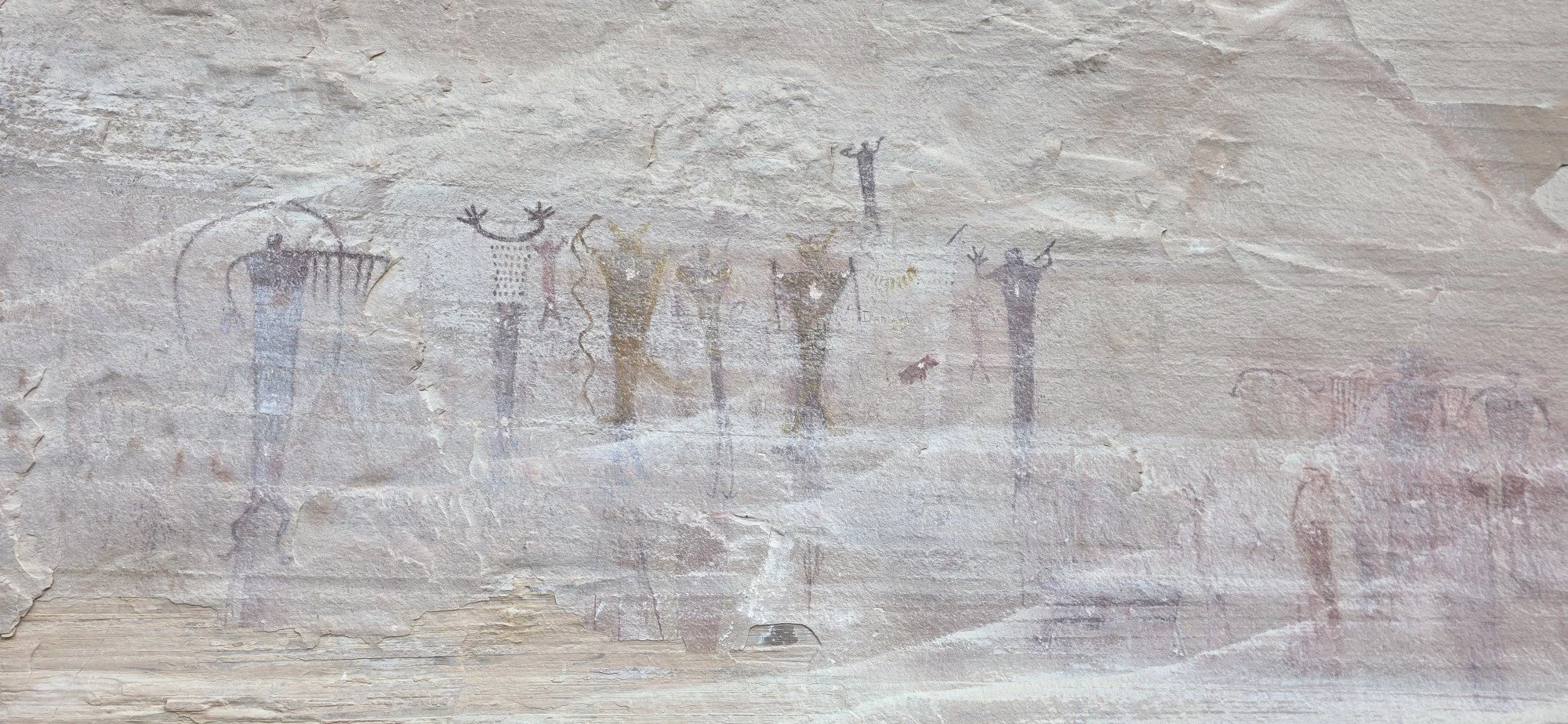
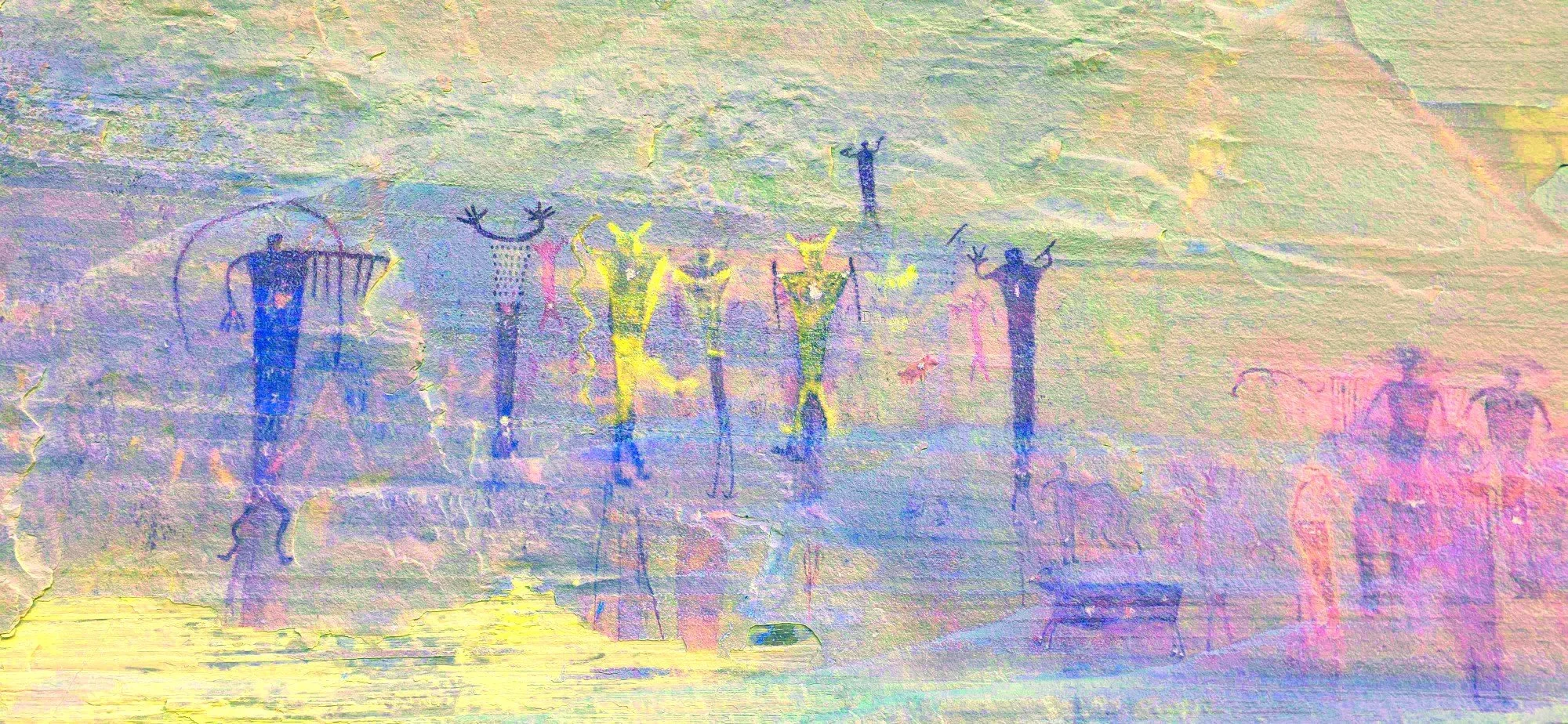
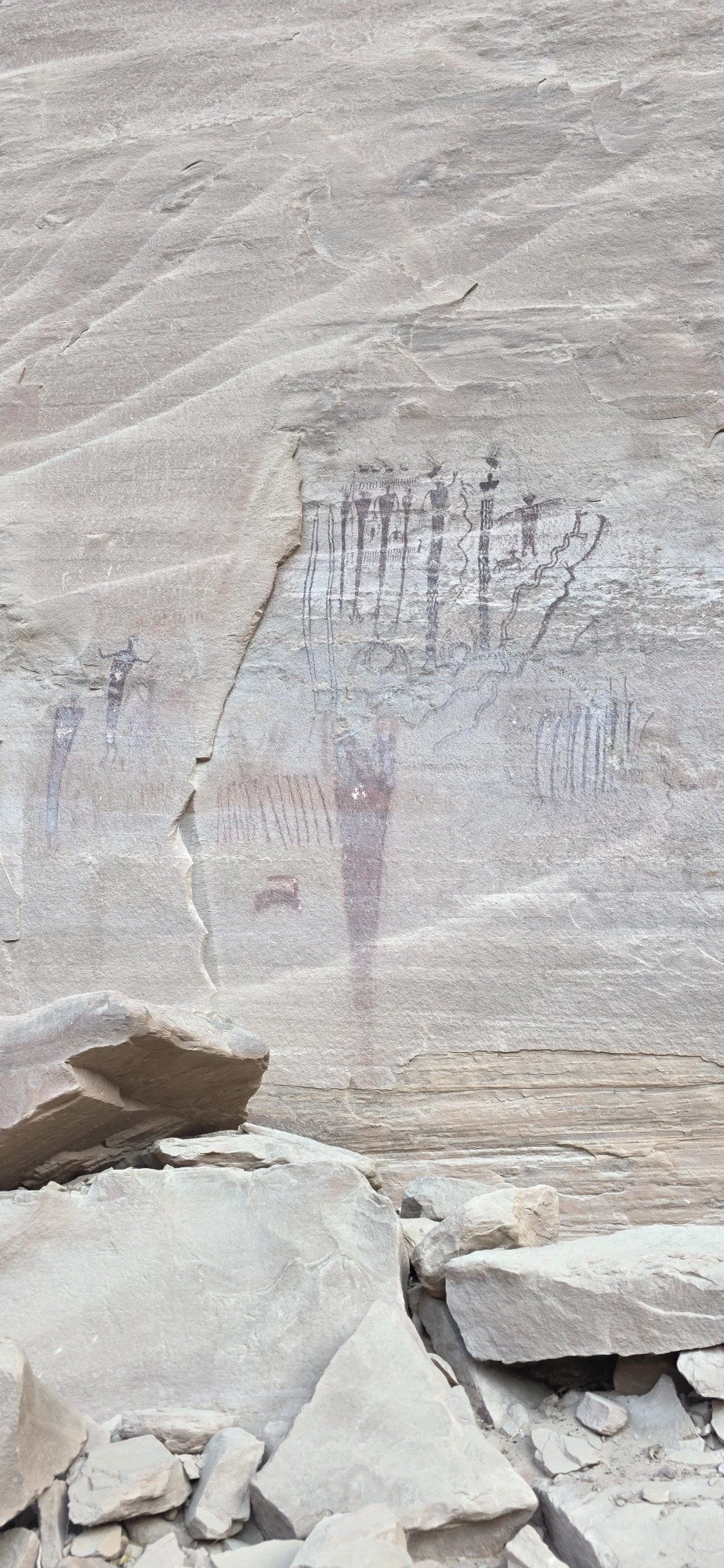
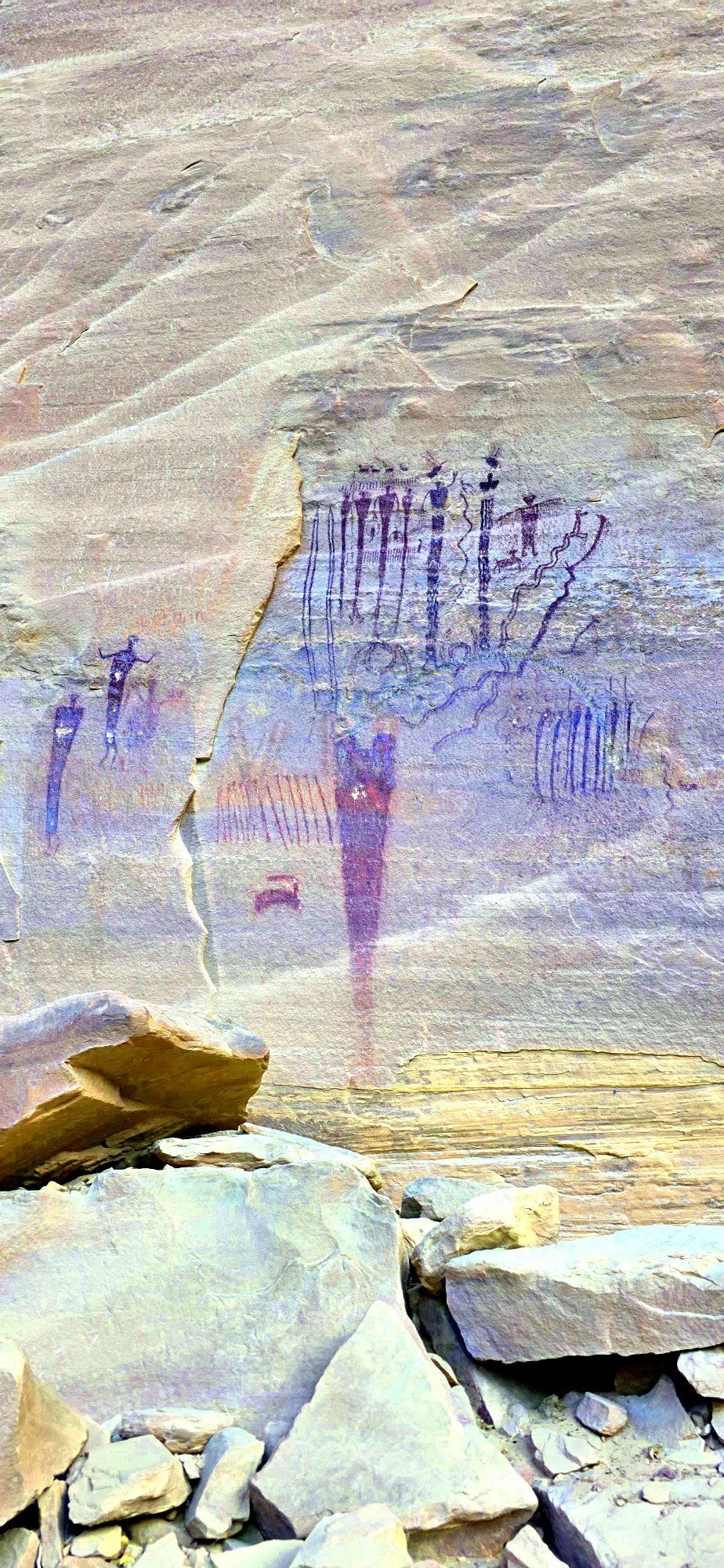
The software is available at DStretch.com.
as witnessed from a vantage point that is high above the San Rafael River.
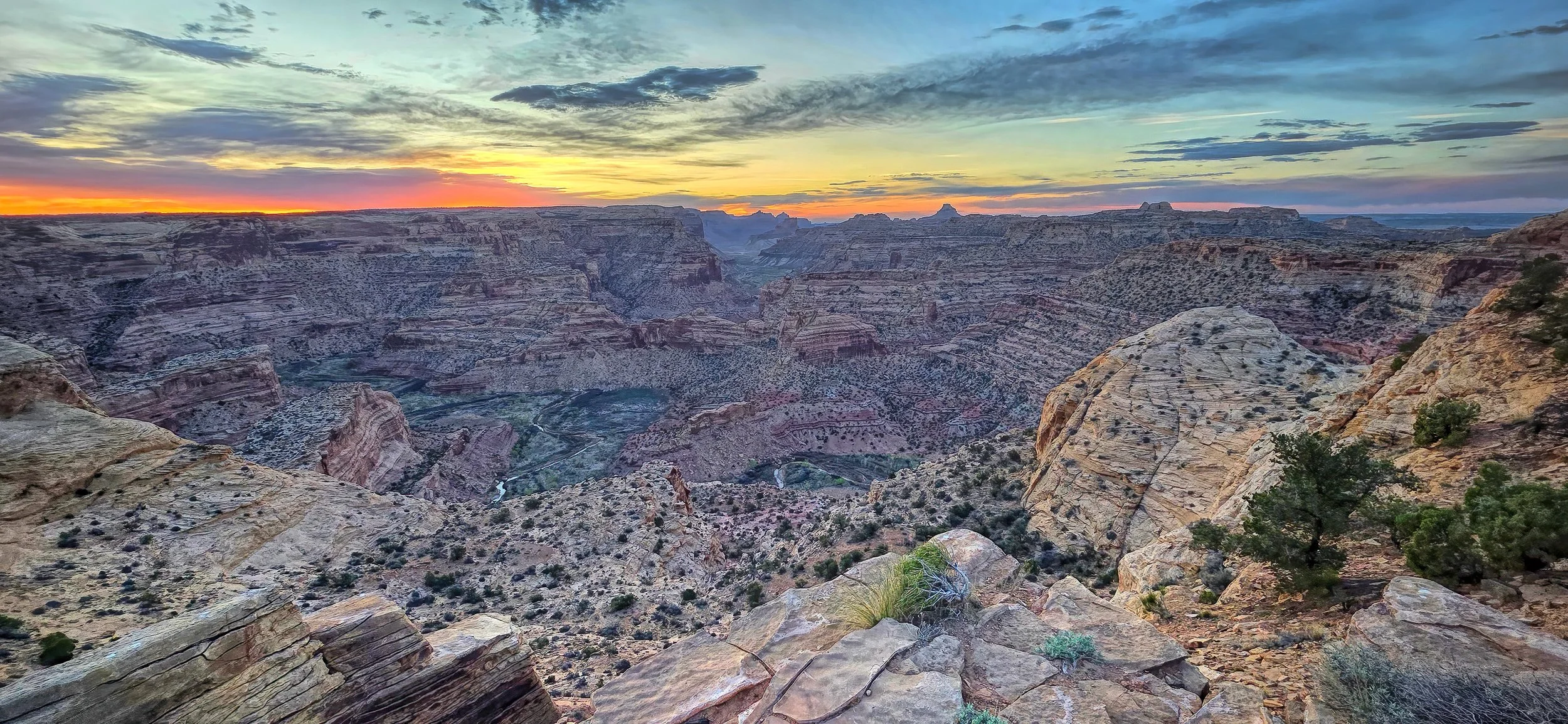
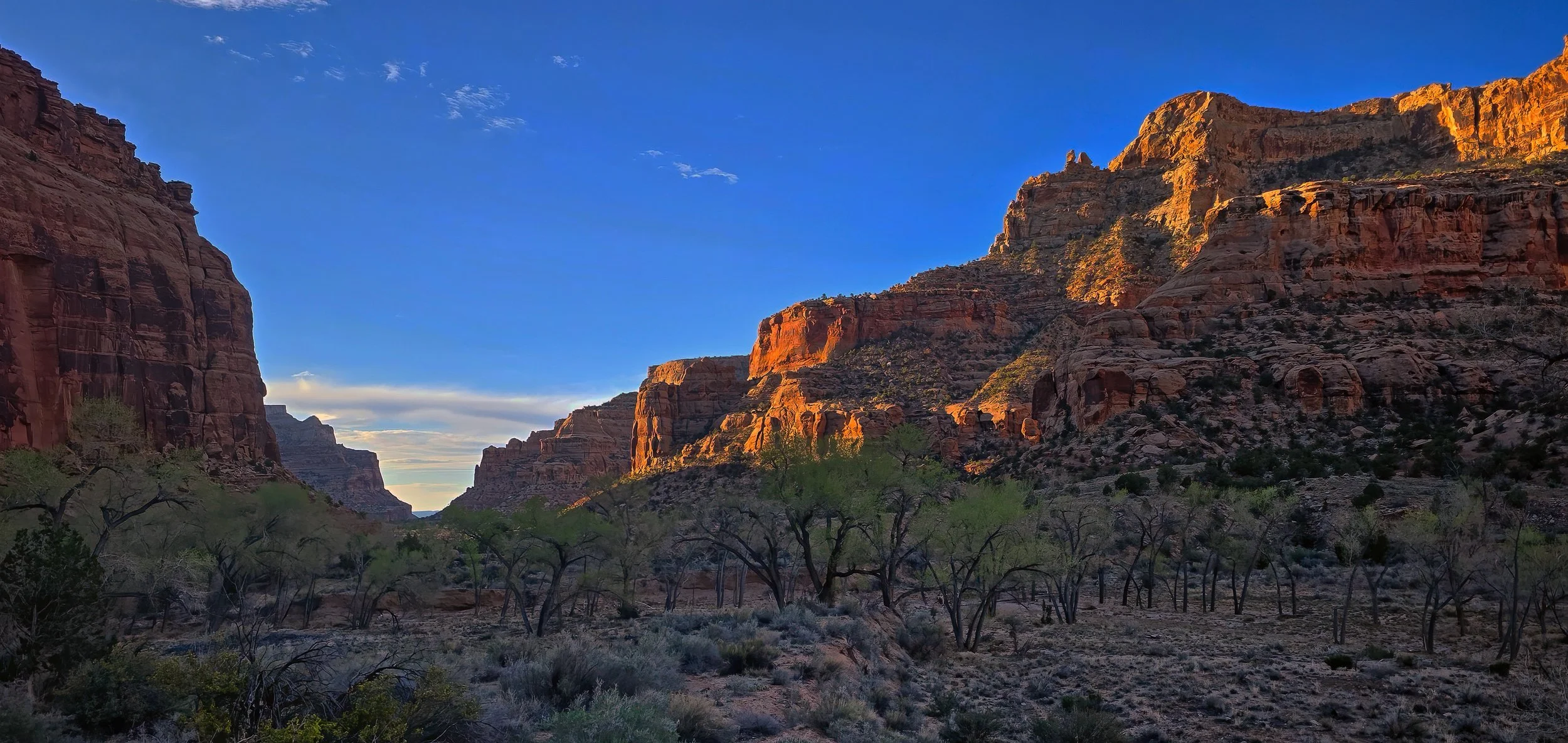
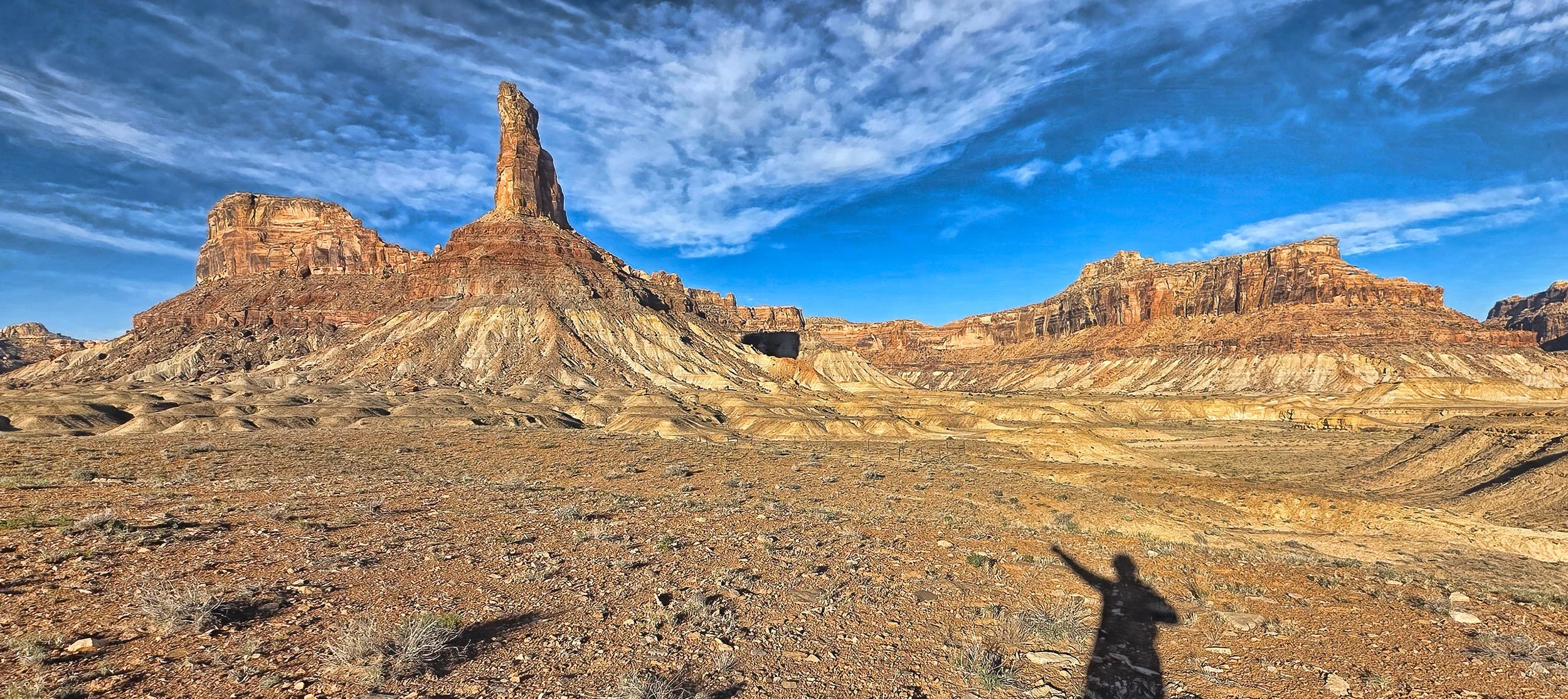
Muted morning light in Buckhorn Canyon and a view of Bottleneck Peak.
yields some bird sightings in the wetlands this afternoon.
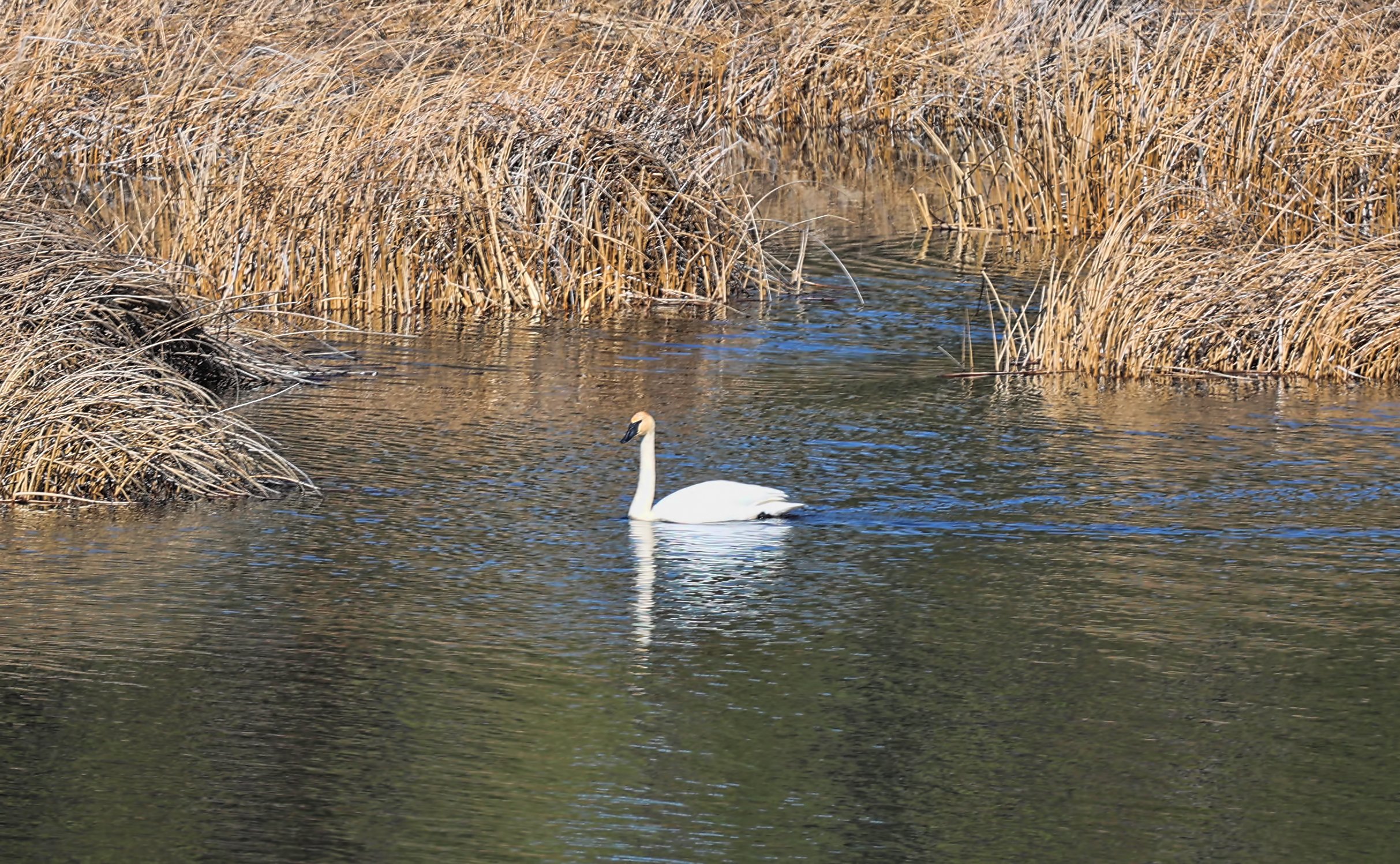
Trumpeter Swan (Cygnus buccinator) on Kepple Lake.
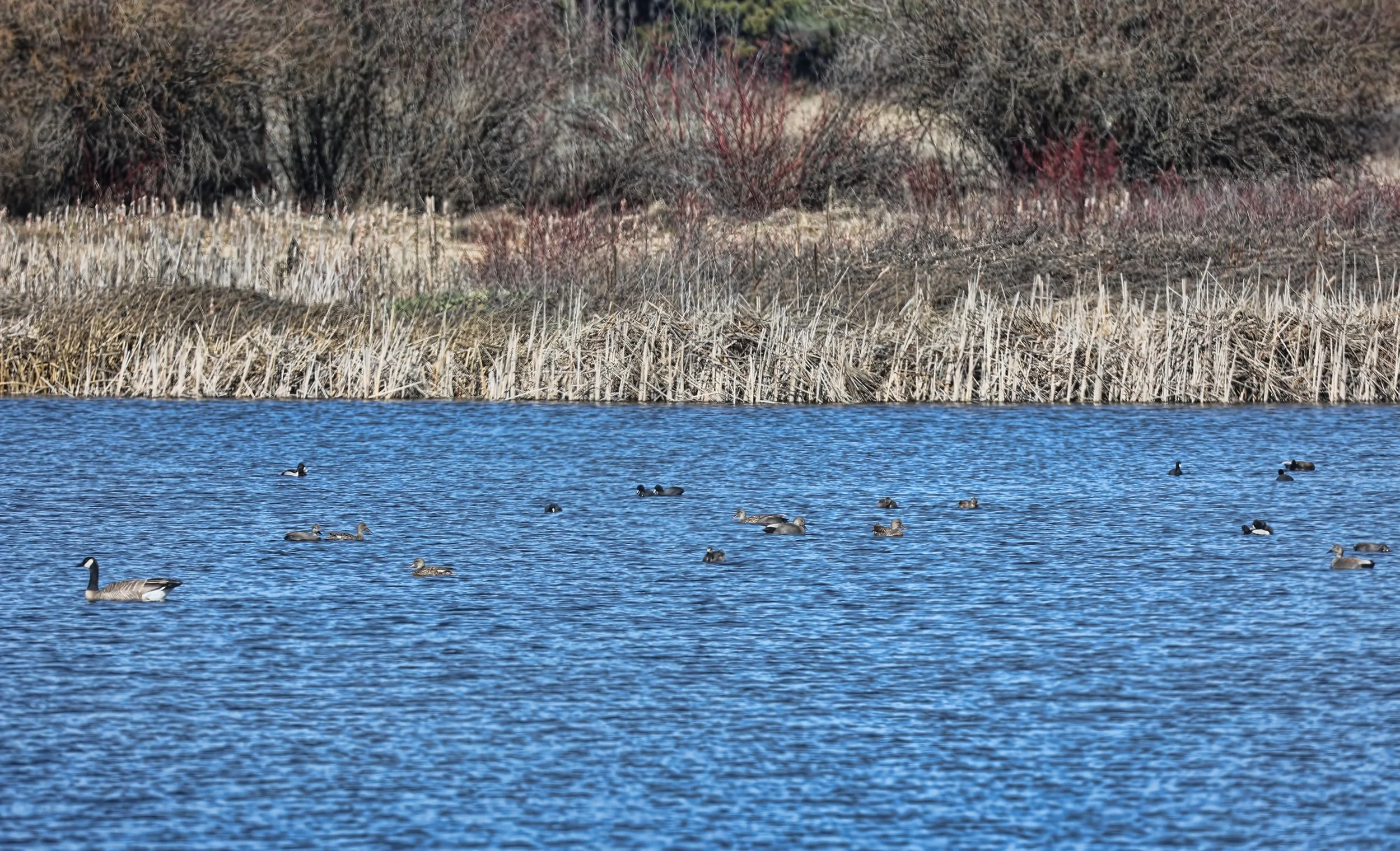
Various waterfowl on maneuvers on Middle Pine Lake.
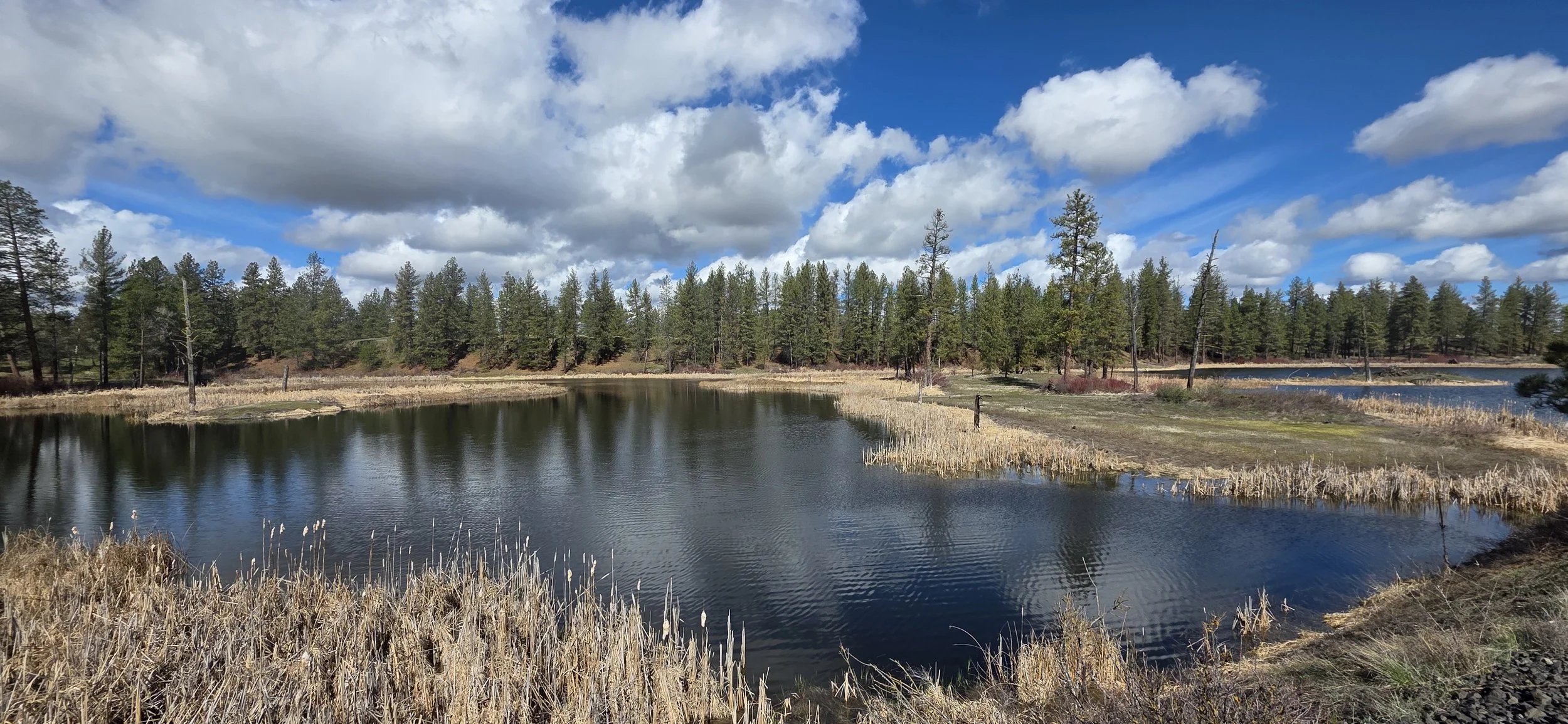
in eastern Washington are filled to the brim with water on the first week of spring.
in eastern Washington with the bright and tiny flowers pushing up through the pine duff in the ponderosa forest.
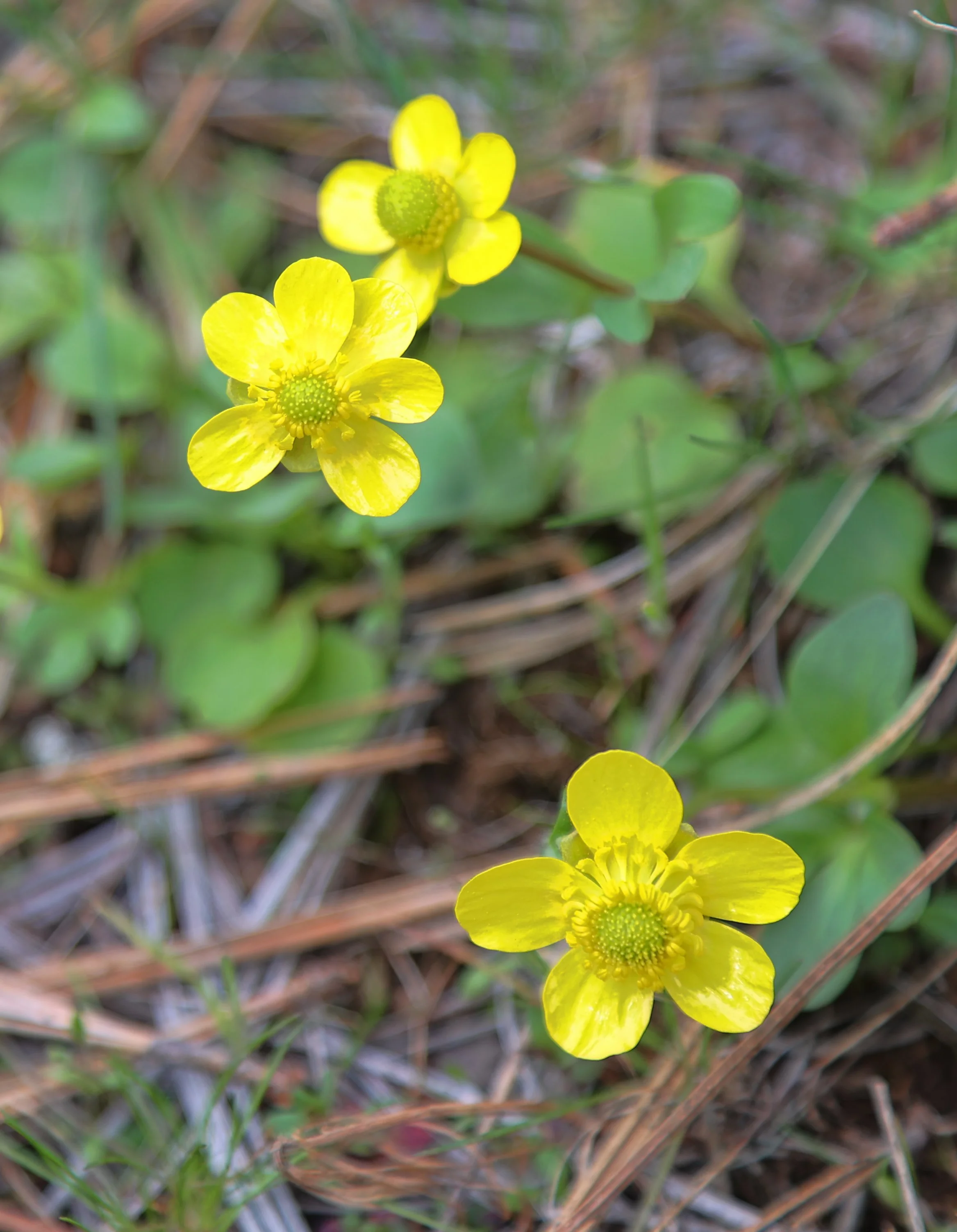
Buttercup flowers (genus Allamanda).
signals the arrival of spring and the first appearance of a toxic plant in the greening landscape on the vernal equinox.
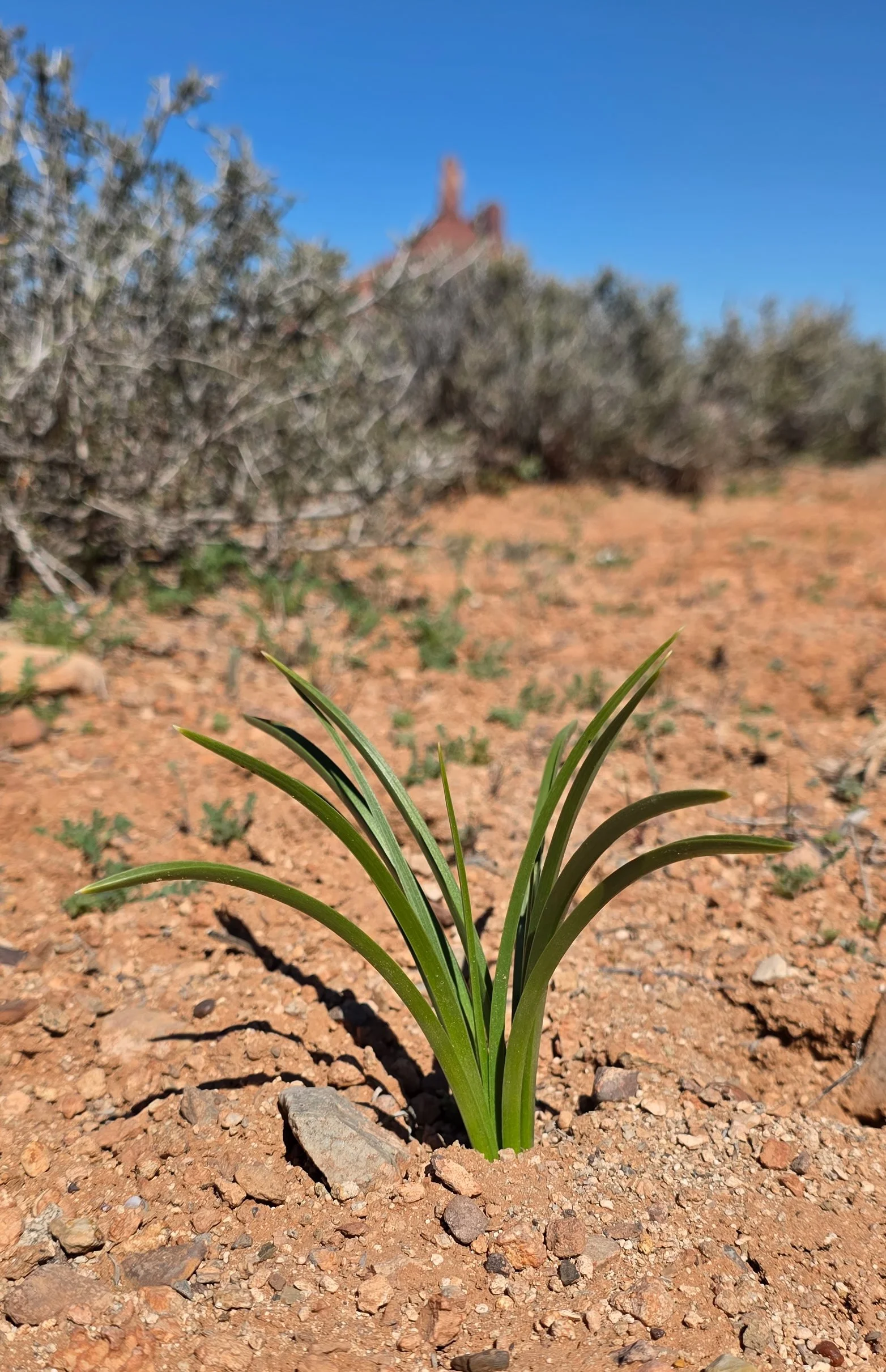
Panicled death-camas (Toxicoscordion paniculatum).
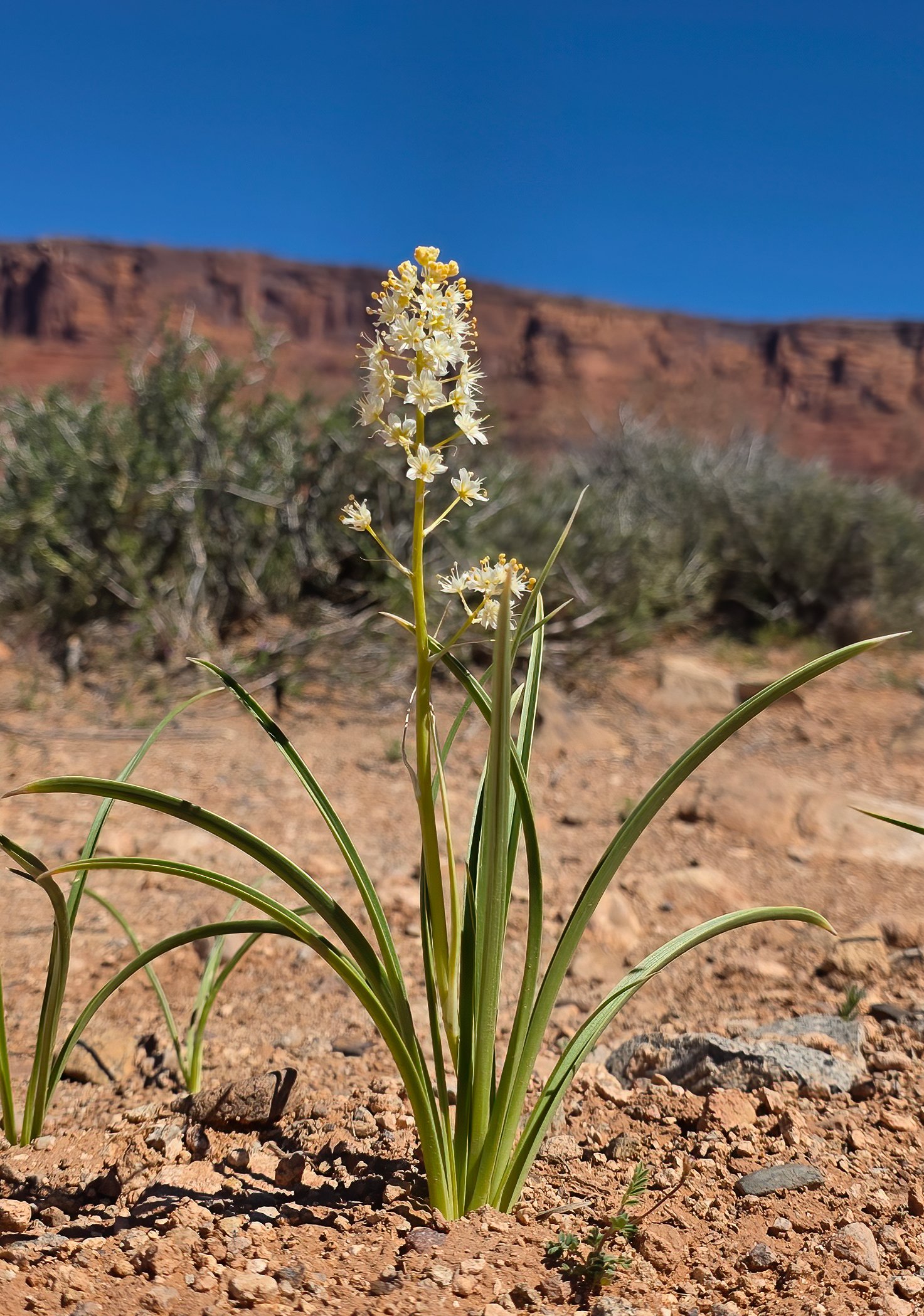
UPDATE 5 April: Now in full blossom.
this weekend at the state line was unfortunately cut short by high winds on the second day, but not before getting several high flyers off the pads early Saturday morning to a maximum apogee of 41,000 feet above ground level!
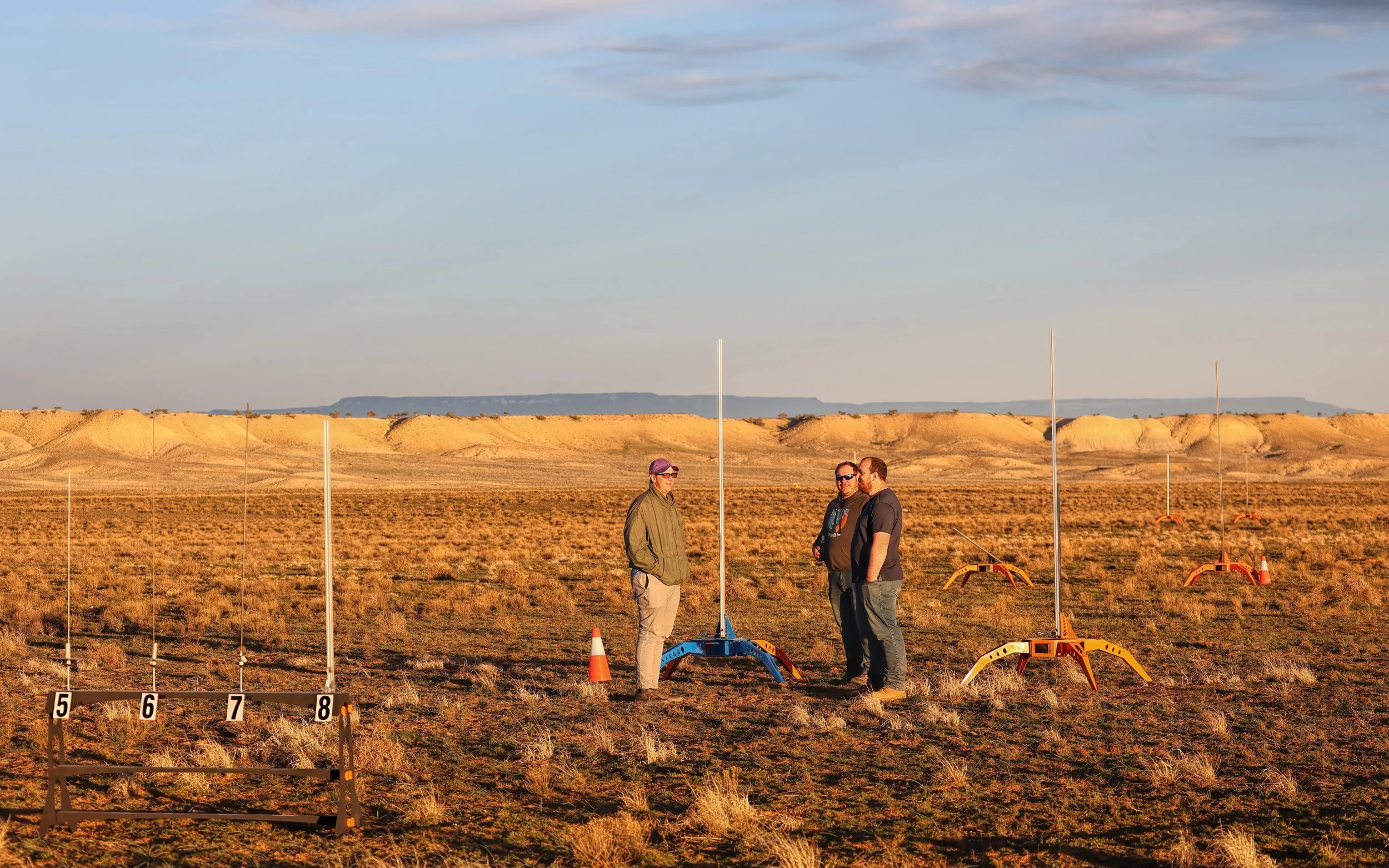
The high power launch pads and rails were set up shortly before sundown on Friday night. The FAA has granted the club a special waiver to fly to 50,000 feet this weekend where we are normally limited to flights no higher than 12,000 feet.
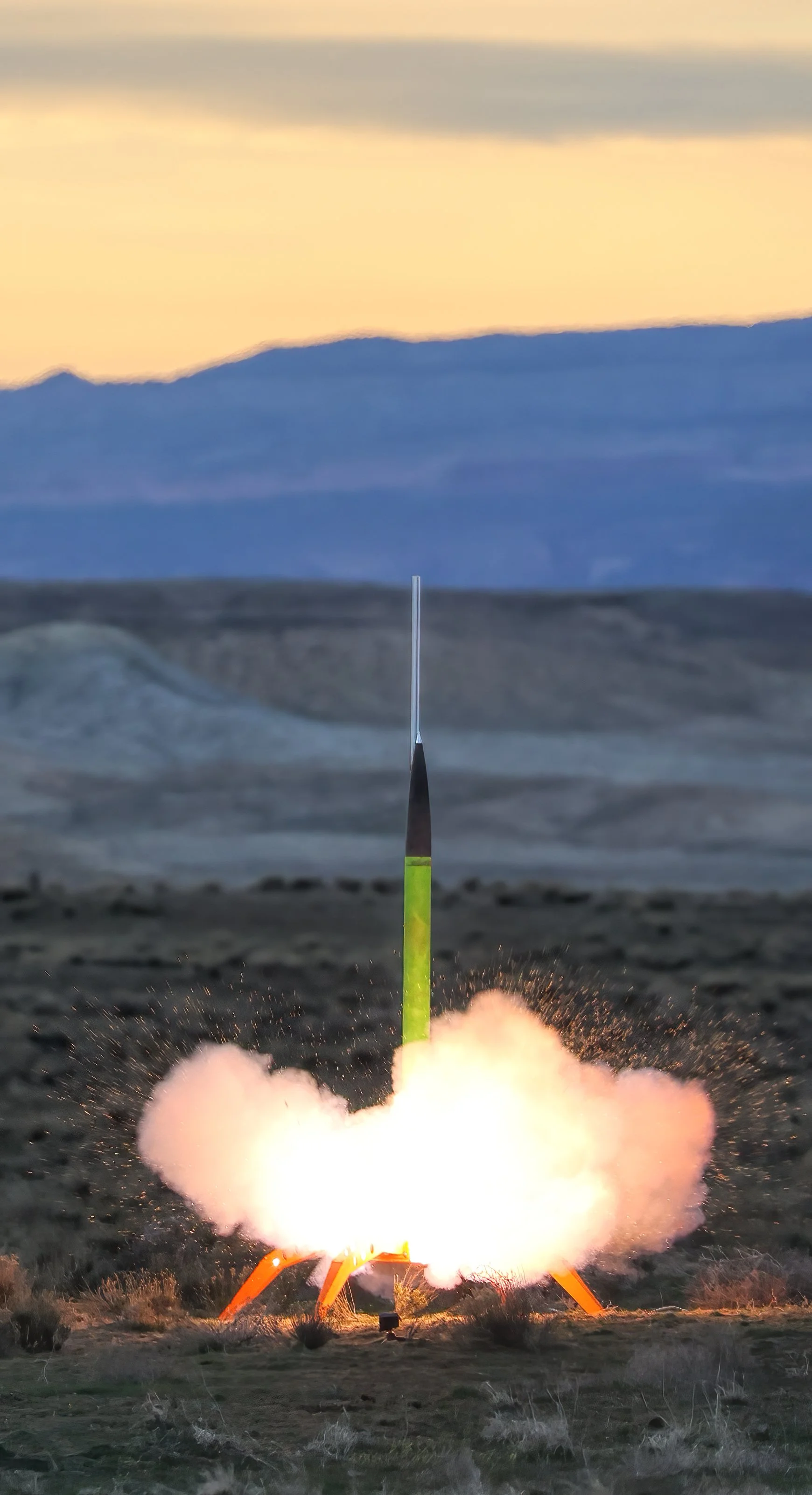
Ignition of the CTI L2375 rocket engine during an early morning launch.
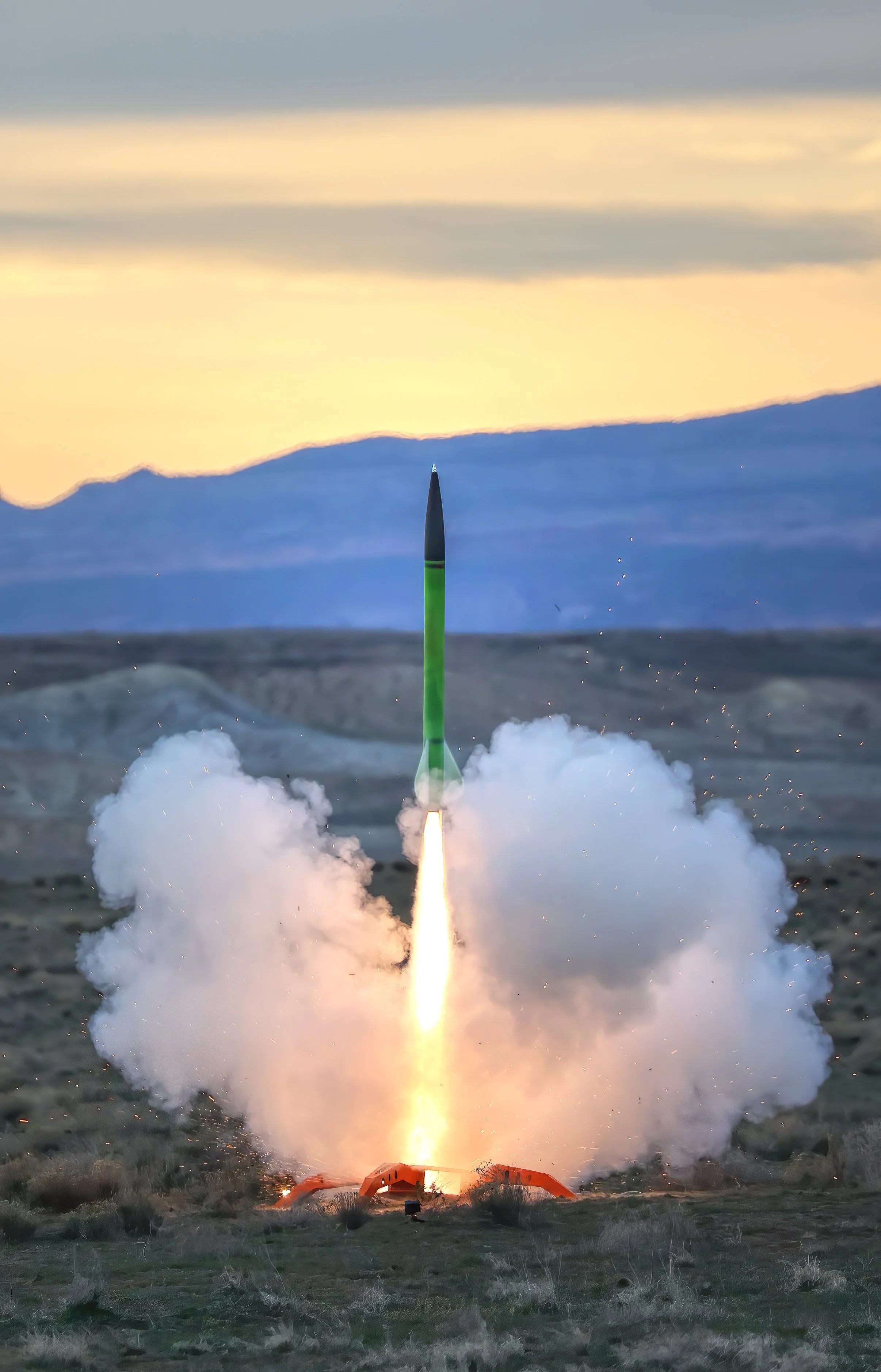
The heavy metal pad collapses under the powerful thrust at liftoff! The CTI L2375 rocket motor produces 2,451 N-sec (551 lb-sec) of total impulse.
being constructed on Castle Valley Drive is six weeks into the project, with formwork for the upstream and downstream wingwalls taking place today. The old culvert has been demolished and Castle Creek is in its new bed beneath the new corrugated steel structure, but considerable work still needs to be completed before the road reopens.
by an archeological survey crew, excitedly shared with me yesterday, only a short distance off a singletrack that I frequently ride. Cool beans.
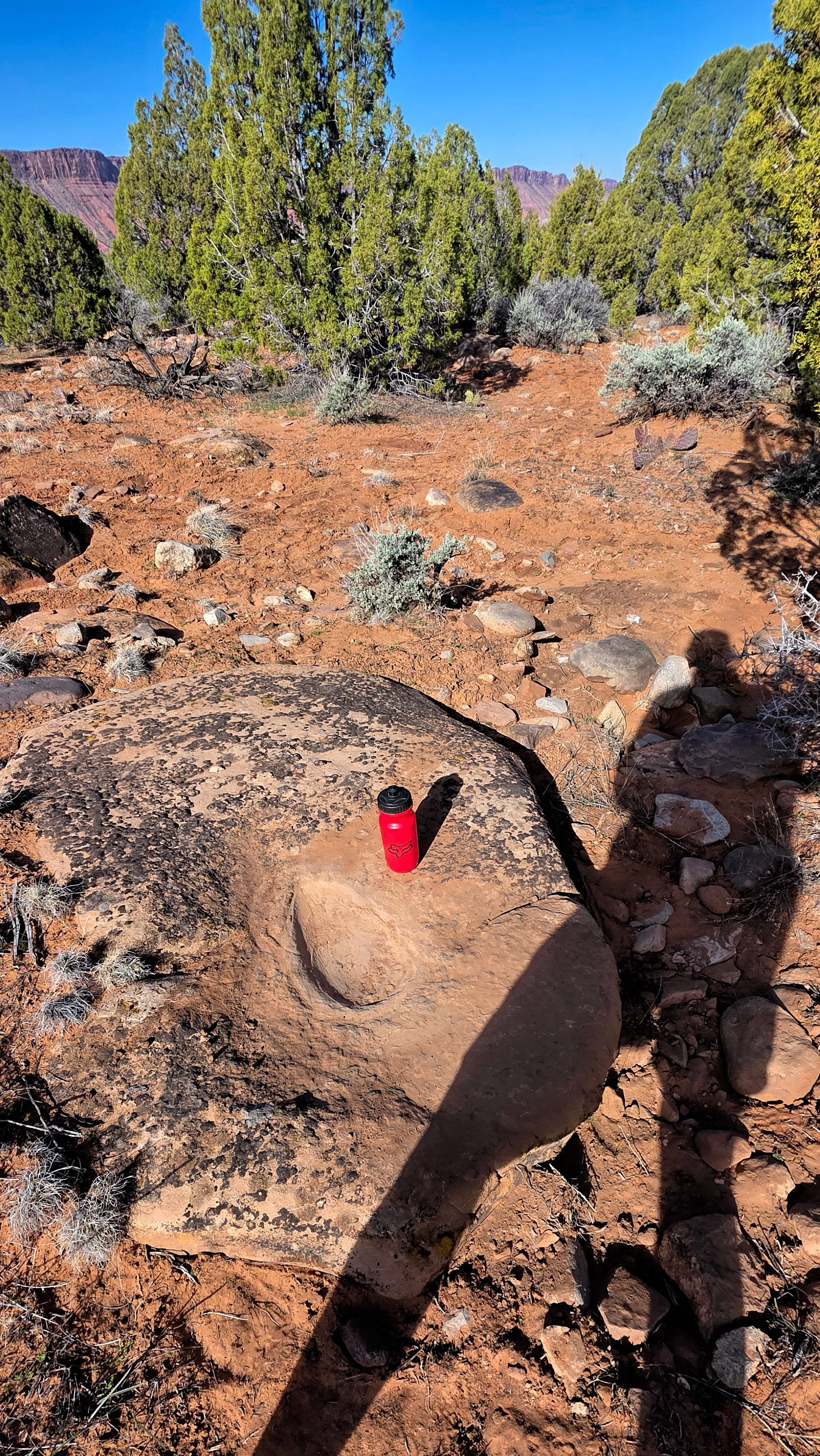
Boulder mortar or bedrock metate on a sandstone slab.
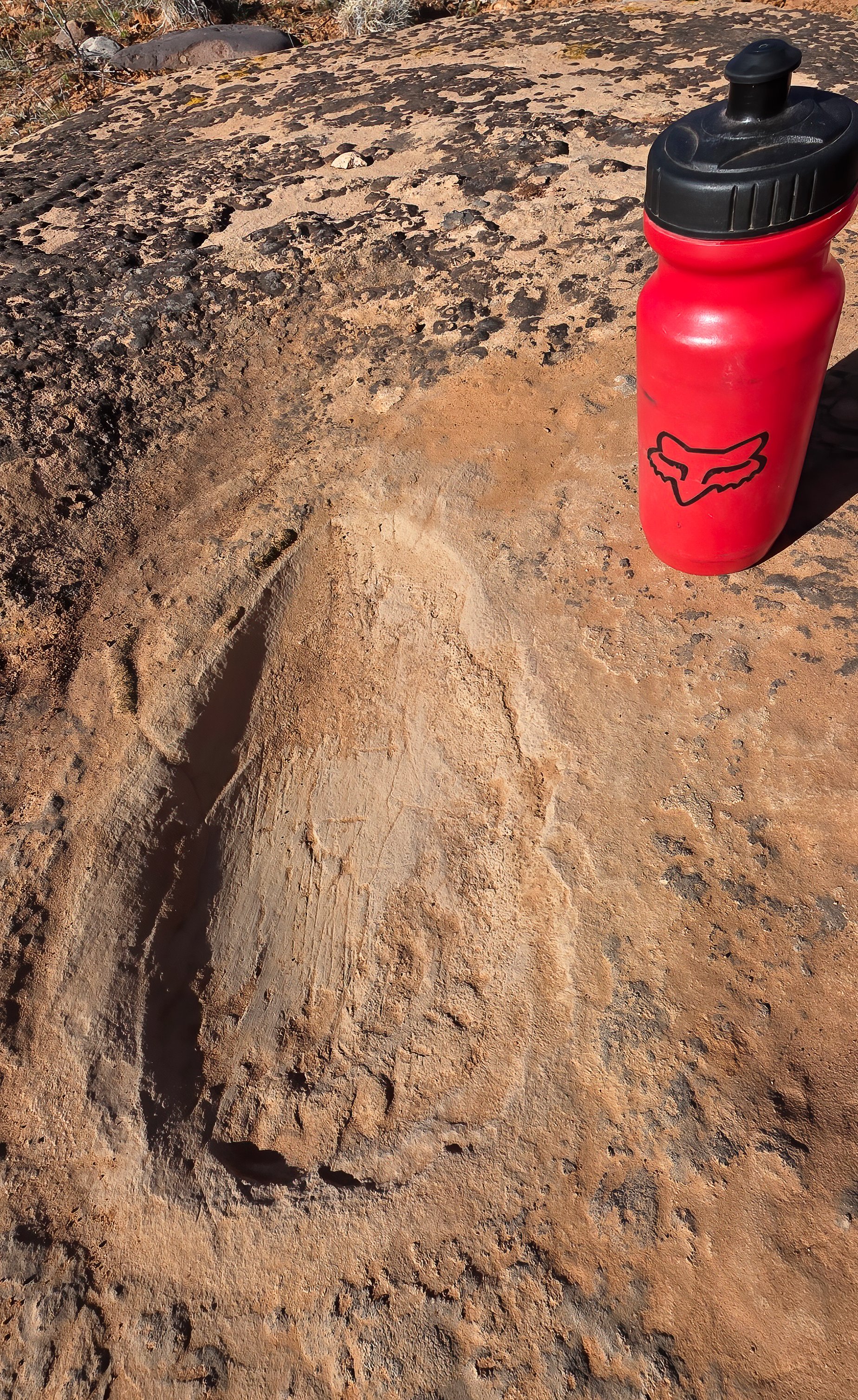
Note the fine detail on inner surface showing linear striations consistent with wear marks created by a back-and-forth grinding motion.
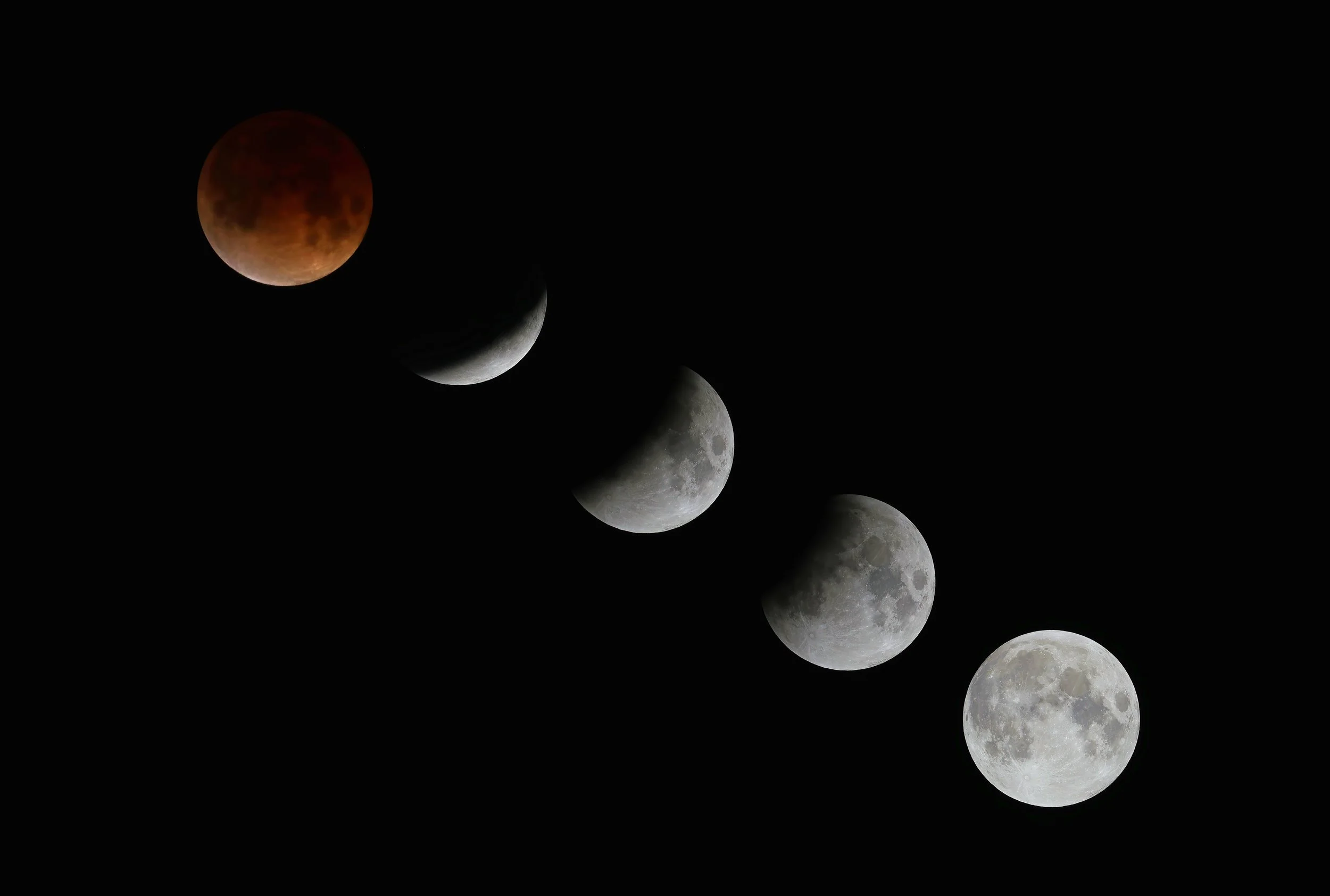
of March 3rd, from the entry into the deep penumbral phase through partial to totality, spanning about 2.5 hrs time. I get up in the middle of the night so you don’t have to. Enjoy.
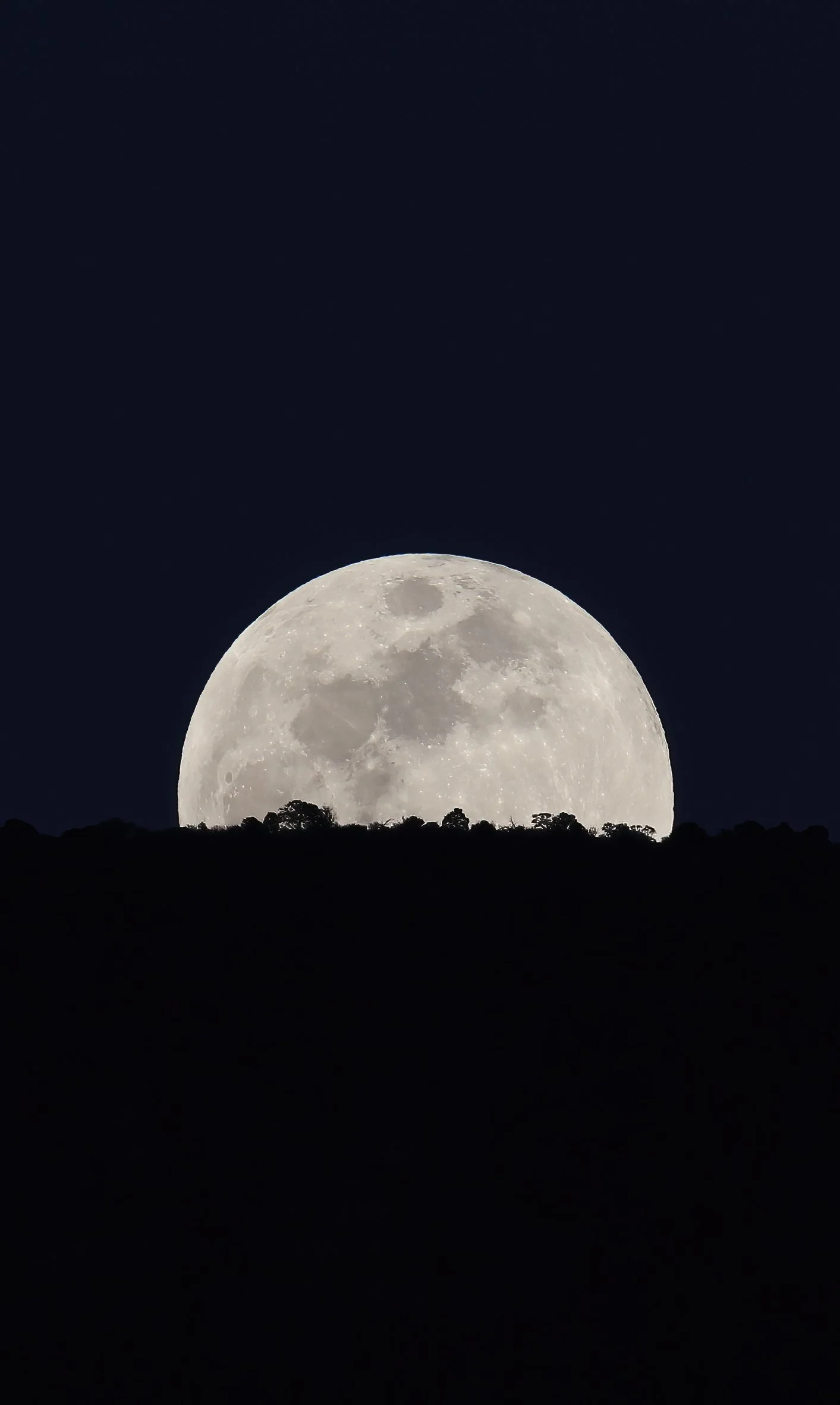
above Adobe Mesa this evening. Just getting warmed up to photograph the total lunar eclipse early tomorrow morning, weather permitting.